
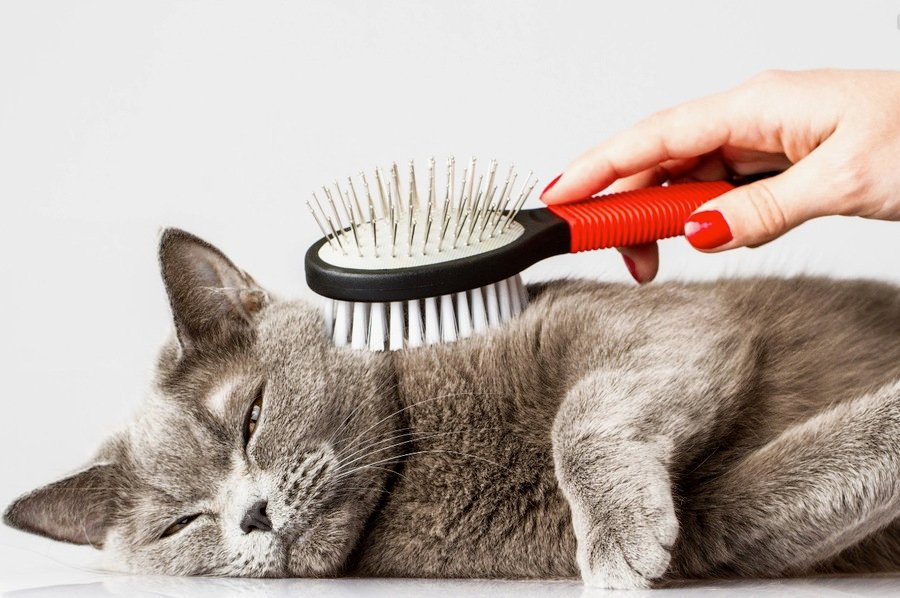
Professional cat grooming is worth it for most cats, especially long-haired breeds, seniors, and overweight cats, because it prevents painful matting, supports coat and skin health, and catches issues that home grooming simply can’t address. Even for short-haired cats, the investment in professional care pays off in comfort, hygiene, and long-term health prevention.
Is Professional Cat Grooming Worth It? People ask me this question more than almost any other, usually right after they’ve looked up the price. I get it, the hesitation makes sense, cats groom themselves, so professional grooming feels optional in a way that, say, a vet visit doesn’t. You can see the price tag and wonder, is this actually necessary, or is this just a luxury for people who spoil their cats?
I’ve spent years working with cats across every coat type, life stage, and temperament. I’ve seen what happens when professional grooming gets skipped, and I’ve seen the difference it makes when it becomes a regular part of a cat’s care routine. My answer to this question is honest rather than a sales pitch: it’s not one-size-fits-all, but for most cats, the answer leans firmly toward yes, and I’ll show you exactly why.
First, Let’s Be Honest About What Cats Can and Can’t Do Themselves
Yes, cats are meticulous self-groomers, they spend a significant chunk of their day licking, preening, and maintaining their coats. I’m not going to pretend otherwise, because it’s true, and it’s part of why so many cat owners assume professional grooming is unnecessary.
But self-grooming has a ceiling, and that ceiling is lower than most people realize, a cat’s tongue can only reach so far. Their coat produces natural oils (sebum) that, without occasional intervention, build up over time especially in cats who are less active, older, or carrying extra weight. Cat skin also sheds its top layer roughly every three weeks, and that buildup doesn’t disappear just because a cat is licking itself.
The most common thing I hear when people bring a cat in for the first time is some version of “they seem fine.” And then I part the fur and find a mat the size of a golf ball tucked under the armpit, one that’s been tightening against the skin for weeks. The cat wasn’t fine. They were just quiet about it, the way cats always are.
This is the gap that professional grooming fills. Not because your cat isn’t trying, but because there are things they genuinely cannot do for themselves. If you’ve ever wondered can cats groom themselves enough, the full answer is more nuanced than most people expect.
The Real Benefits of Professional Cat Grooming
When people think about the benefits of professional cat grooming, they usually think about aesthetics a fluffy coat, trimmed nails, and a clean smell. Those are real. But they’re the least important part of what professional grooming actually does.
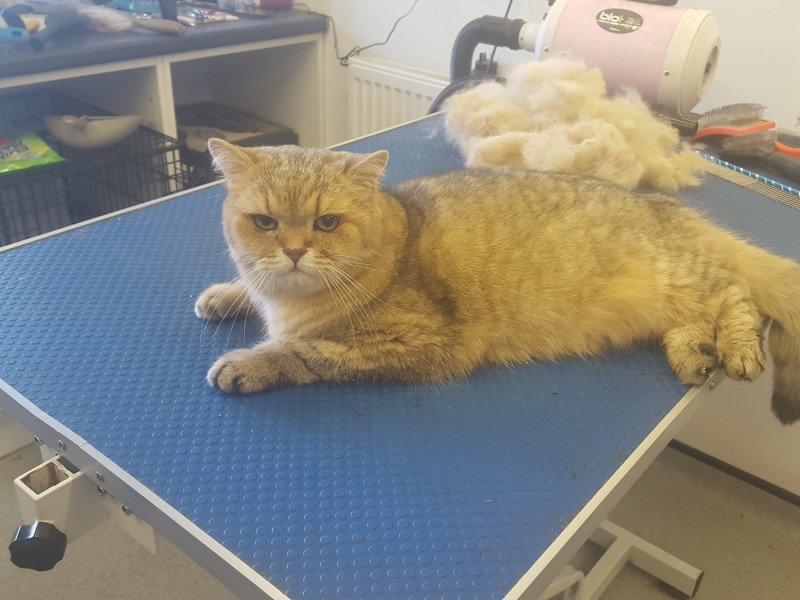
The most significant benefit is mat and tangle prevention and removal. Matted cat fur isn’t just unsightly, it actively pulls on the skin, restricts movement, traps moisture against the body, and creates an environment where skin infections can develop. Left long enough, severe matting can cause real tissue damage. A professional groomer has the tools and techniques to remove mats safely without the risk of cutting the skin that comes with DIY attempts.
Professional de-shedding treatments also significantly reduce hairball something that often goes overlooked. When a cat’s loose undercoat is properly removed by a groomer before the cat has a chance to ingest it during self-grooming, the amount of hair swallowed decreases dramatically. For cats prone to hairballs, this alone can make a meaningful difference in their comfort and digestive health.
There’s also the detection angle. A professional groomer runs their hands over every part of a cat’s body during a session. I’ve personally flagged lumps, early skin infections, ear issues, and flea activity that owners had no idea existed not because they were negligent, but because they weren’t looking with trained hands in the right places. That kind of early catch can save a vet bill, and sometimes it saves more than that.
Nail management done properly is another benefit that’s easy to underestimate. Overgrown nails in indoor cats don’t wear down naturally, and when they curl toward the paw pad, which I’ve seen firsthand, the result is painful and entirely preventable. Beyond that, cats who are groomed regularly by professionals tend to become more tolerant of human handling over time, which makes everything from vet visits to at-home care easier.
Understanding why regular grooming is important for cats goes well beyond keeping your cat looking good it’s an active part of maintaining their health.
Who Needs It Most: Cats That Can’t Opt Out
Some cats benefit from professional grooming, others need it in a way that isn’t really optional. Long-haired breed Persians, Maine Coons, Ragdolls, Himalayans fall firmly into the second category. Their long-haired grooming needs are simply beyond what regular at-home brushing can manage over time. Without professional intervention, matting in these breeds is nearly inevitable, and it typically progresses faster than owners expect.
Senior cats are another group that genuinely can’t opt out. As cats age, arthritis and reduced flexibility make self-grooming increasingly difficult. The back half of the body lower back, base of the tail, hindquarters — is often the first area to deteriorate. Senior cat grooming isn’t about vanity; it’s about maintaining hygiene and comfort in a cat whose body can no longer do the job alone.
Overweight cats face a similar challenge for different reasons. They physically cannot reach large sections of their own body. I’ve had more than a few cat owners come in genuinely puzzled about why their cat’s back end looks unkempt while the front looks fine. That’s not neglect that’s physics. Overweight cat grooming addresses the areas a heavier cat simply cannot reach, no matter how motivated they are.
Cats with skin conditions or allergies round out this group. These cats often need medicated or hypoallergenic shampoos and careful handling of sensitive skin areas things that require product knowledge and technique beyond standard at-home care.
I’ve had cats come to me in all four of these categories whose owners genuinely didn’t know they qualified. They thought professional grooming was for show cats or overly pampered pets. It isn’t. And if you’re still on the fence about whether your indoor cat really needs this, the full breakdown on whether cat grooming is necessary for indoor cats is worth reading the answer surprises most people.
But What About the Cost?
I’m not going to sidestep this, because it’s a real and fair concern.
Cat grooming prices generally look something like this, nail trims typically run $15 to $35, a basic bath with blow dry sits around $50 to $90, and a full groom bath, dry, brush-out, nail trim, ear cleaning, and haircut if needed usually falls between $80 and $150 or more depending on coat condition, size, and temperament.
Those numbers are higher than people expect, and there’s a real reason for it. Cat grooming costs more than dog grooming because the entire process is different. Cats require specialized handling, feline-specific products (cat skin is significantly thinner and more sensitive than dog skin), low-noise equipment, longer sessions with built-in stress breaks, and a higher level of risk management. It’s not a markup it reflects what the work actually involves. If you want to understand the full picture of how cat grooming differs from dog grooming, the cost difference makes a lot more sense once you do.
The reframe I always offer is this: think about it as prevention versus treatment. I’ve watched owners spend significantly more fixing a mat-related skin infection or dealing with a nail that had grown into a paw pad, than they would have spent on six months of regular professional grooming. The cost of catching things early is almost always lower than the cost of fixing them late.
DIY vs. Professional: Where the Line Actually Is
I want to be clear, at-home grooming has real value, and I’d never suggest otherwise. Regular brushing, especially for long-haired cats, makes a genuine difference. Occasional nail trims at home are completely reasonable for cooperative cats. Keeping up with at-home maintenance between professional appointments is part of a good grooming routine, not a replacement for professional care.
But there’s a line, and it matters to know where it is.
DIY breaks down when there are mats involved. Cat skin is extraordinarily thin it folds, shifts, and hides in ways that are very hard to anticipate if you’re not trained to work with it. I get calls from cat parents who tried to cut out a mat at home and nicked the skin. It happens fast and it’s not their fault. It’s genuinely difficult without the right tools and technique.
DIY also breaks down for baths (most cats resist water strongly enough that home bathing becomes a stressful and ineffective experience), severely overgrown nails, and cats who are anxious or aggressive during handling. In those cases, attempting the job at home often makes the cat’s association with grooming worse, not better, which creates a harder problem down the road.
The goal isn’t to choose between professional grooming and home maintenance. They work together. Professional sessions handle what’s beyond the scope of home care, and home care extends the results between sessions.
“But My Cat Hates It” The Stress Question
This is the real #1 objection once cost is set aside, and it deserves a direct response.
There’s an important distinction to make here: a cat who resists grooming at home, a cat who had a bad experience at a groomer, and a cat who was taken to a groomer who wasn’t specifically trained to work with cats are three very different situations, and they often get lumped together.
Many cats who are labeled as “impossible to groom” had their worst experience at a general pet grooming salon that primarily handles dogs. The sounds, smells, and handling techniques in those environments are designed around dogs. Cats experience them very differently. A cat who panicked and scratched through a session at a dog-focused groomer is not necessarily a cat who will always panic they may just need a different kind of groomer.
The difference between a cat-specialist groomer using fear-free handling in a quiet, cat-only environment and a general groomer who isn’t specifically trained in feline behavior is significant. This is one of the key reasons understanding how cat grooming differs from dog grooming matters, so practically, it helps you ask the right questions when choosing who handles your cat.
A stressed experience once doesn’t mean all grooming will be stressful. It often means the wrong groomer. Before giving up on professional grooming, look specifically for cat-only or cat-specialist groomers and ask directly about their handling approach and training.
Is Professional Cat Grooming Actually Worth It?
Here’s my honest answer yes, for most cats.
For long-haired breeds, senior cats, overweight cats, and any cat showing signs that grooming is overdue, professional grooming isn’t optional it’s part of responsible care. For short-haired cats with cooperative owners and no significant grooming challenges, professional grooming is still genuinely beneficial, just less urgent.
What you’re paying for when you book professional grooming is expertise, the right tools and products, safety for both you and your cat, early detection of potential health issues, and a thorough result that home grooming can’t fully replicate. “Worth it” isn’t just about cost it’s about your cat’s comfort, dignity, and health over time.
How Often Should You Actually Book?
Cat grooming frequency depends on coat type and individual needs, but here’s a practical baseline. Short-haired cats do well with professional grooming every 3 to 4 months nail trims, de-shedding, coat check, and bath as needed.
Long-haired cats need more frequent attention, typically every 6 to 8 weeks, to stay ahead of matting. Senior and overweight cats often benefit from visits every 4 to 6 weeks given their limited ability to self-groom. For a full breakdown by coat type and lifestyle, the guide on how often cats should be groomed covers the specifics in detail.
Final Thoughts
So, is professional cat grooming worth it? The cats I’ve seen thrive consistently over the years aren’t the ones whose owners spent the most or fussed the most. They’re the ones whose owners stopped treating grooming as optional and started treating it as part of the routine.
You don’t have to do it all perfectly. You just have to make the call before it becomes a problem. If you’re ready to take that step, you can find professional cat grooming near you and get your cat the care they need.