
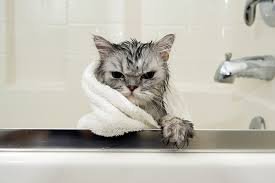
Start gentle grooming at home around 8–10 weeks, introduce professional grooming after vaccinations (12–16 weeks), and avoid waiting past 6 months for long-haired breeds. Early positive exposure builds lifelong grooming confidence and prevents stress-related resistance.
If you’re wondering when to start grooming a kitten, you’re not alone. I’ve heard everything “Is 2 weeks too early?” “Should I wait until 6 months?” “My breeder said 18 weeks.” The internet gives wildly different answers, and new cat parents often feel overwhelmed trying to decide what’s safe.
I’ve seen everything from 6-week-old kittens booked in for full baths… to 2-year-old cats who were never handled and panic at the sight of a brush.
The truth is this: there’s a big difference between introducing grooming at home, booking a kitten’s first grooming appointment, and doing a full professional bath and blow-dry. Timing matters but so does approach.
Let’s break it down properly.
The Socialization Window Is Everything
Understanding a kitten’s development timeline is key.
2–7 Weeks: Learning From Mom
At this stage, kittens are developing basic motor skills. They learn self-grooming behaviors from their mother and littermates. This is part of their sensory development and early conditioning.
But they are not ready for professional grooming.
Their nervous systems are still forming, and handling sensitivity is high. This period is about natural exposure, not structured grooming.
8–12 Weeks: The Critical Learning Period
This is what we call the socialization window the most adaptable stage in a kitten’s life.
They are:
- Curious
- Exploring
- Highly responsive to desensitization
- Building lifelong behavior patterns
This is the ideal time for positive exposure to grooming tools, light brushing, and gentle paw handling.
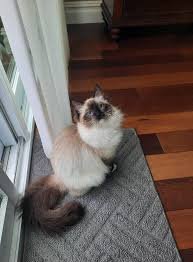
I once had a 5-month-old Ragdoll named Oliver from Brookfield come in for his first visit. His owner had avoided touching his paws because she “didn’t want to upset him.” The result? Severe nail trim panic. No restraint tolerance. No grooming confidence.
That wasn’t Oliver’s fault, it was simply missed early conditioning.
4–6 Months: Confidence Is Forming
By this stage, kittens are more aware of stress, their grooming tolerance window becomes clearer. This is when early behavior shaping either pays off, or shows gaps.
If you’ve built trust during the foundation phase, grooming feels normal. If not, this is when resistance begins.
When to Start Grooming a Kitten at Home
So let’s answer it directly: when to start grooming a kitten at home? The safe starting point for gentle grooming introduction is 8–10 weeks old, once your kitten has settled into your home.
Here’s what that should look like:
Brushing (8+ Weeks)
Light brushing for 1–2 minutes.
Let them sniff the brush.
Stop before they squirm.
This is desensitization, not coat maintenance.
Paw Handling & Nail Touching (8+ Weeks)
Even if you’re not trimming yet, gently press their paw pads. Build restraint tolerance slowly.
If you’re wondering when to trim kitten nails, you can usually begin small trims around 8–10 weeks just the tips.
Bath Introduction (Only If Needed)
If you’re asking when to bathe a kitten, the answer is: only when necessary.
A Maplewood client once gave her 9-week-old tabby a full sink bath with running water and a hairdryer. The kitten developed immediate noise sensitivity and defensive reactions.
Foundation > perfection.
If you introduce water, use a warm damp cloth first. Keep sessions under five minutes.
Teeth Brushing (3–4 Months)
Wait until adult teeth begin coming in before full oral care routines. Use kitten-safe products only.
The key principle when introducing grooming to kittens: short, calm, and positive exposure.
Professional Kitten Grooming Age Explained
Now let’s address the bigger question: when to take kitten to groomer?
Professional grooming depends on several factors:
- Vaccination requirements (usually after final booster)
- Weight and physical stability
- Coat type
- Temperament
Most groomers will require kittens to be at least 12–16 weeks old and fully vaccinated. For long-haired breeds, I strongly recommend first exposure between 4–6 months at the latest.
I once groomed a Persian kitten named Milo from Riverbend who came in at 7 months for his first-ever professional session. He had developed dense matting behind his ears and along his flanks. Because he had never been handled for brushing, we could only complete a shortened session.
Contrast that with Luna, a Maine Coon introduced at 12 weeks. Her first kitten first grooming appointment lasted 25 calm minutes. Curious. Playful. No stress imprinting.
That’s the difference early conditioning makes.
The Mistakes I See New Kitten Owners Make
After years of grooming, patterns become obvious.
1. Waiting Too Long
“I didn’t want to traumatize her.”
I’ve heard this countless times. Then the kitten shows up at 8 months, unable to tolerate basic brushing.
Read Also: Is Cat Grooming Necessary for Indoor Cats? What Most Owners Get Wrong
2. Forcing Full Baths Too Early
Young kittens don’t need full salon experiences. Sensory overload during the foundation phase can create long-term resistance.
3. Skipping Nail Handling
Handling sensitivity starts early. If paws are never touched, nail trims become battles.
4. Thinking Kittens Self-Groom Enough
Yes, kittens groom themselves. But that doesn’t replace brushing, matting prevention, or hygiene care.
This misconception overlaps heavily with what I discuss in Is Cat Grooming Necessary for Indoor Cats? What Most Owners Get Wrong especially for indoor-only kittens who never encounter natural environmental wear.
Breaking Down the Conflicting Advice Online
Let’s clarify the mixed messaging you’ll see.
2–7 Weeks
Appropriate for breeder handling not salon grooming.
10–12 Weeks
Good for light professional introduction after vaccinations.
18 Weeks
Often tied to vaccination policies rather than developmental science.
4–6 Months
Ideal for structured professional kitten grooming age especially for long-haired breeds.
If you’re unsure about the broader framework, I explain foundational grooming principles in What Is Cat Grooming? A Complete Beginner’s Guide for Pet Owners.
The key is context. Development matters more than random numbers.
Long-Haired vs Short-Haired Kittens
Coat type changes the timeline slightly.
Long-Haired Kittens
Breeds like Persians, Maine Coons, and Ragdolls need earlier grooming exposure for matting prevention.
At 5 months, their coat transition phase begins, and density increases rapidly.
A Maine Coon kitten named Bella from Riverbend came in at 5 months with early flank matting because her owner assumed brushing could wait.
Long-haired kitten grooming should start sooner rather than later.
Read Also: How Often Should Cats Be Groomed? Short Hair vs Long Hair Cats
Short-Haired Kittens
Focus on nail handling and cooperative care training.
They may not require full professional grooming as early but exposure still matters.
For coat maintenance schedules later in life, see How Often Should Cats Be Groomed? Short Hair vs Long Hair Cats.
What a First Groom Should Actually Look Like
A kitten first grooming appointment should NOT be:
- A full shave
- A long styling session
- An endurance test
It SHOULD be:
- 20–40 minutes max
- Light brushing
- Nail trim
- Gentle bath only if tolerated
- Positive exposure
- Calm cooperative care techniques
The goal is grooming confidence not perfection.
Remember: the first appointment sets the emotional blueprint.
At What Age Should You Start Grooming a Cat?
Here’s the clear summary.
- Home introduction: 8–10 weeks
- Light professional intro: 12–16 weeks
- Structured grooming: 4–6 months
- Long-haired breeds: never wait past 6–7 months
- If you’re comparing grooming needs across species, the timeline also differs significantly which I explain in The Difference Between Cat Grooming and Dog Grooming Explained.
When people ask at what age should you start grooming a cat, the real answer depends on development, not just a number.
But if you want the safest window? Start early. Start gently. Build gradually.
FAQs
When to start grooming a kitten?
The ideal time for when to start grooming a kitten at home is around 8–10 weeks old with short, gentle sessions. Professional grooming can typically begin between 12–16 weeks once vaccinations are complete.
When can kittens be groomed professionally?
Most groomers accept kittens after their final booster usually around 12 weeks or older. Long-haired breeds benefit from structured sessions by 4–6 months.
Is 2 months too early to groom a kitten?
Not for light exposure. Grooming a 2 month old kitten should focus on brushing, paw handling, and desensitization not full salon services.
When to bathe a kitten for the first time?
Only when necessary. Introduce water gradually with a damp cloth before attempting full baths.
What if I waited too long?
It’s not hopeless. It just requires slower reconditioning and shorter grooming tolerance windows. Patience and positive exposure still work.
Final Thoughts
You’re not behind, you’re not latem, you just need the right timing. Grooming is less about age and more about foundation. The earlier you introduce calm handling and positive exposure, the smoother everything becomes.
And if you ever wonder why this matters long-term, I break down the health benefits in Why Regular Grooming Is Important for Cats (Health, Hygiene & Comfort). Start early, start gently, build trust, and that’s how grooming becomes routine, not stressful.