
Grooming should be avoided when a cat is stressed, sick, injured, or showing signs of panic or shutdown. Knowing when not to groom a cat is just as important as knowing when to groom, because pushing through stress can cause long-term fear, injury, and behavioral issues.
Knowing When NOT to Groom a Cat Matters
Most people focus on how to groom a cat, but in my experience, the more important question is when not to groom a cat. I’ve worked with dozens of cat owners who genuinely meant well, but made one critical mistake, they believed grooming should continue no matter what, especially if the coat looked bad or mats were visible.
I remember a case clearly.
Sarah brought in her grey cat, Luna, from a quiet neighborhood. Luna had severe matting along her back. The moment we started brushing, she panicked wide pupils, tail thrashing, trying to escape.
Sarah said something I hear all the time:
“I thought I had to push through it because the mats were bad.”
But here’s the reality most people don’t realize:
Sometimes grooming should be paused, shortened, or avoided entirely.
Continuing in that moment would have caused:
-
Skin injury
-
Aggressive behavior
-
Long-term grooming fear
If you’re unsure about what cat grooming actually involves, it’s worth understanding the full process before deciding when to proceed or stop.
In this guide, I’ll walk you through:
-
The exact situations where grooming should stop
-
Real signs your cat has reached their limit
-
How professionals decide whether to continue or pause
Why Knowing When Not to Groom a Cat Is So Important
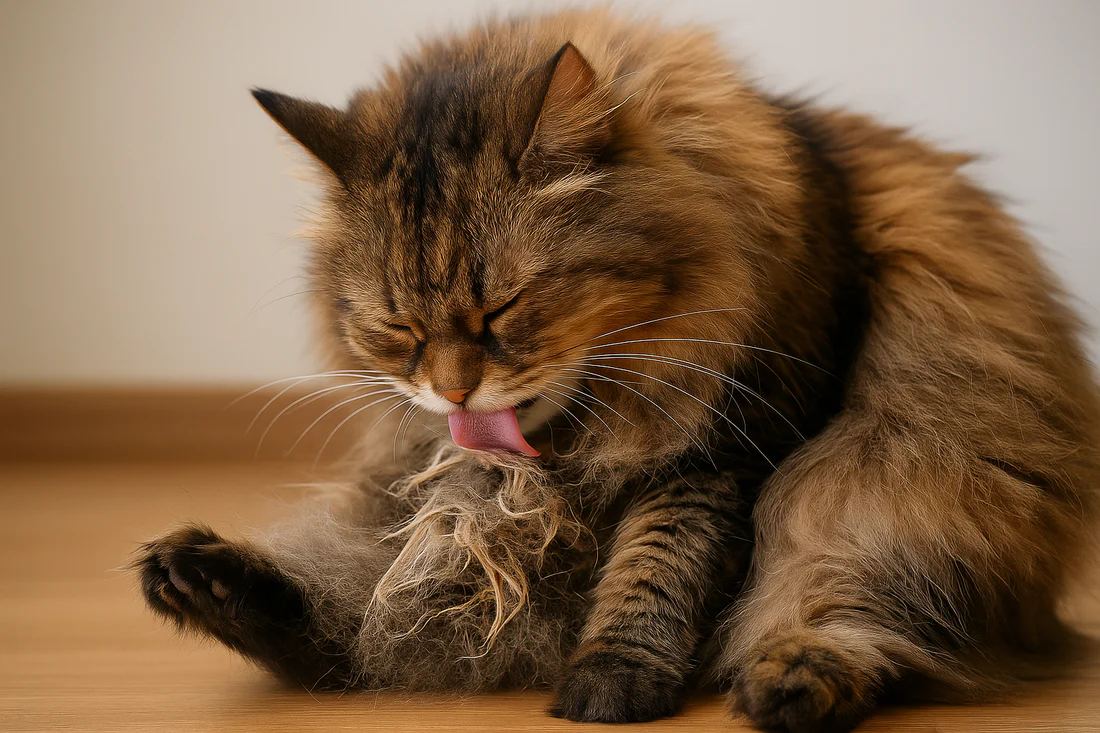
Grooming is meant to improve your cat’s health, not harm it.
But when done at the wrong time, it can:
-
Increase stress
-
Trigger fear-based behavior
-
Cause physical injury
One concept I always teach is the “grooming tolerance window.”
Every cat has a limit.
Once that limit is crossed:
-
Stress escalates quickly
-
Behavior becomes unpredictable
-
Safety drops for both cat and handler
A good grooming session isn’t one where everything gets done. It’s one where the cat stays within its comfort threshold.
This is what we call a welfare-based grooming decision, choosing the cat’s mental and physical wellbeing over finishing the task. And if you’re unsure about maintaining a healthy routine, understanding cat grooming frequency can help you avoid pushing too much into one session.
High-Stress Situations: When to Stop Grooming Immediately
One of the clearest answers to when you should not groom a cat is when your cat is showing signs of stress escalation.
These signs include:
-
Hissing or growling
-
Tail whipping or thumping
-
Trying to escape or hide
-
Rapid breathing
-
Swatting or biting
I once worked with a Maine Coon named Milo. His owner, James, brought him in for detangling. Milo started with mild resistance, but within minutes, he escalated into full panic mode.
James tried to hold him down.
That’s when things got worse:
-
Milo scratched aggressively
-
His breathing became fast
-
He lost all trust in the process
This wasn’t disobedience, this was fear-based behavior triggered by sensory overload. Cats experience grooming as intense stimulation touch, sound, and restraint all at once.
If you push beyond their panic threshold, you risk:
-
Defensive aggression
-
Long-term grooming trauma
-
Future resistance to even mild handling
Medical Situations Where Grooming Should Be Avoided
A common question I hear is:
“Should I groom a sick cat?”
In most cases, the answer is no.
Avoid grooming if your cat shows:
-
Open-mouth breathing
-
Lethargy or weakness
-
Signs of pain
-
Wounds or infections
-
Fever-like symptoms
Bella, a senior cat from a nearby area, is a perfect example. Her owner brought her in thinking she just needed brushing, but Bella had arthritis.
When the brush touched her lower back, she reacted aggressively. The owner thought she was being difficult, but in reality, it was pain. Pain dramatically lowers a cat’s tolerance, even gentle grooming can feel overwhelming.
You should also avoid grooming:
-
After vaccinations
-
During illness recovery
-
When skin infections are present
If you’re worried about skipping grooming, you can understand the risks of not grooming your cat. But remember, temporary postponement is safer than forced grooming.
When Grooming Becomes Dangerous: Panic vs Shutdown
There are two extremes that signal danger:
1. Panic aggression
-
Struggling
-
Biting
-
Attempting escape
2. Freeze or shutdown response
This one is often misunderstood.
A cat may:
-
Go completely still
-
Stop reacting
-
Appear calm
But in reality, the cat is overwhelmed.
I worked with a black rescue cat named Shadow. During grooming, he froze completely. The owner thought he was “finally behaving.”
But afterward?
-
He avoided human contact
-
He showed fear responses for weeks
This is called a freeze response a survival mechanism.
It’s not cooperation.
It’s shutdown.
Ignoring this can lead to long-term behavioral damage.
Severe Matting: When NOT to Groom at Home
One of the biggest mistakes I see is owners attempting to handle severe matting themselves.
Do not groom at home if:
-
Mats are tight to the skin
-
Skin is stretched underneath
-
The cat reacts strongly
A long-haired tabby named Oliver was brought in after his owner tried using scissors at home.
The result?
-
Minor skin injury
-
Increased fear of grooming
Severe matting creates:
-
High skin tension
-
Pain sensitivity
-
Risk of accidental cuts
This is when you should consider professionals.
If your cat has a thick coat, understanding the grooming needs of long-haired cats can help prevent matting from reaching this stage.
When Cats Are Already Overgrooming or Have Skin Issues
If your cat is already:
-
Licking excessively
-
Developing bald patches
-
Showing irritated or red skin
You should avoid adding more grooming stress.
Overgrooming is often linked to:
-
Stress
-
Allergies
-
Parasites
Additional brushing or bathing can worsen irritation, in these cases, grooming isn’t the solution diagnosis is.
When to Postpone Cat Grooming
Sometimes it’s not about if you should groom, but when.
You should postpone grooming if your cat has:
-
Just eaten
-
Recently traveled
-
Been to the vet
-
Entered a new environment
-
Experienced a stressful event
These situations increase:
-
Cortisol (stress hormone)
-
Sensitivity
-
Reactivity
Even a normally calm cat can become reactive during these periods.
How Professionals Decide When to Continue or Stop
Professional groomers don’t just follow the steps we read the cat constantly.
We watch:
-
Ear posture
-
Tail movement
-
Whisker tension
-
Breathing patterns
We adjust in real time:
-
Shorter sessions
-
Breaks between steps
-
Changing techniques
Sometimes, we stop entirely.
And that’s not failure.
It’s experience.
If you’re considering professional help, this article can help you understand if professional cat grooming is worth it and can help you decide when it’s the right move.
Also, if you’re wondering whether grooming can become overwhelming, this explains it well:
Does Grooming Stress Cats? What I’ve Seen Working With Anxious Cats
What to Do Instead of Forcing Grooming
If grooming isn’t going well, don’t push through it.
Instead:
-
Shorten sessions (5–10 minutes)
-
Try again later
-
Use gradual desensitization
-
Groom when your cat is relaxed or sleepy
-
Consult a professional groomer
-
Seek veterinary advice if needed
Sometimes, doing less is actually doing more.
FAQ
When not to groom a cat?
You should avoid grooming when your cat is stressed, sick, injured, or showing signs of panic, aggression, or shutdown behavior.
Should I groom a sick cat?
No, unless advised by a veterinarian. Sick cats have reduced tolerance, and grooming can worsen their condition.
When should you stop grooming a cat?
Stop immediately if you notice:
-
Hissing or growling
-
Tail thrashing
-
Rapid breathing
-
Attempts to escape
-
Freezing or shutdown behavior
Can grooming stress a cat too much?
Yes. Excessive grooming or forced sessions can lead to long-term anxiety, fear, and even aggression.
When should I take my cat to a professional groomer instead?
You should seek professional help if:
-
Your cat has severe matting
-
Shows strong resistance
-
Has medical conditions
-
You’re unsure how to proceed safely
Final Thoughts
Knowing when to stop grooming isn’t a failure, it’s a sign of experience, so, to put it simply, most cats don’t hate grooming.
They just hate it continuing longer than they’ve agreed to. If you learn to read your cat’s limits, respect their tolerance, and make welfare-based decisions, grooming becomes safer, easier, and far less stressful for both of you.