
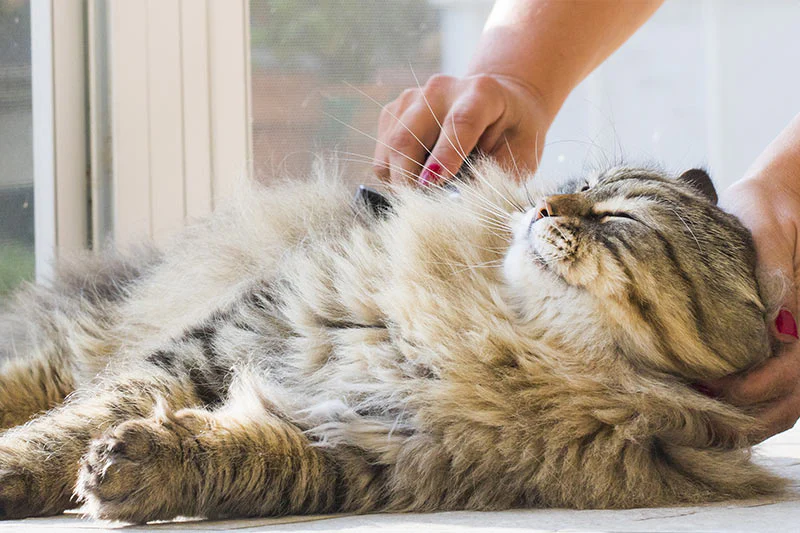
Grooming can stress cats, especially when they are restrained, rushed, or exposed to unfamiliar sounds and environments. However, professional groomers trained in feline behavior and low-stress handling can often make grooming significantly calmer than many at-home attempts.
Yes, Grooming Can Stress Cats For This Reasons
People ask me all the time: Does grooming stress cats?
The honest answer is: sometimes, but the grooming itself usually isn’t the real problem. Most cat parents assume stress comes from things like:
- baths
- clippers
- brushes
But after years of working with cats in shelters and grooming environments, I’ve learned that the biggest stress triggers are usually:
- restraint
- unfamiliar environments
- loud equipment
- previous bad experiences
I remember a grey tabby named Rico, brought in by his owner Melissa from the Clintonville neighborhood in Columbus. Rico panicked the moment he saw nail clippers.
At first, the owner assumed he “hated grooming.” But the real issue turned out to be a bad nail trimming experience at home months earlier. Rico associated the tool with fear, and his body reacted before the grooming even started.
Situations like that are extremely common. In this article, we’ll break down:
- when grooming becomes stressful for cats
- what stress actually looks like during grooming
- how professional groomers reduce anxiety
Understanding this helps owners approach grooming in a much calmer and safer way. Before diving deeper, it helps to understand the basics of how grooming works in cats, which you can read in this guide:
What is cat grooming and why it matters
Why Grooming Can Stress Cats in the First Place
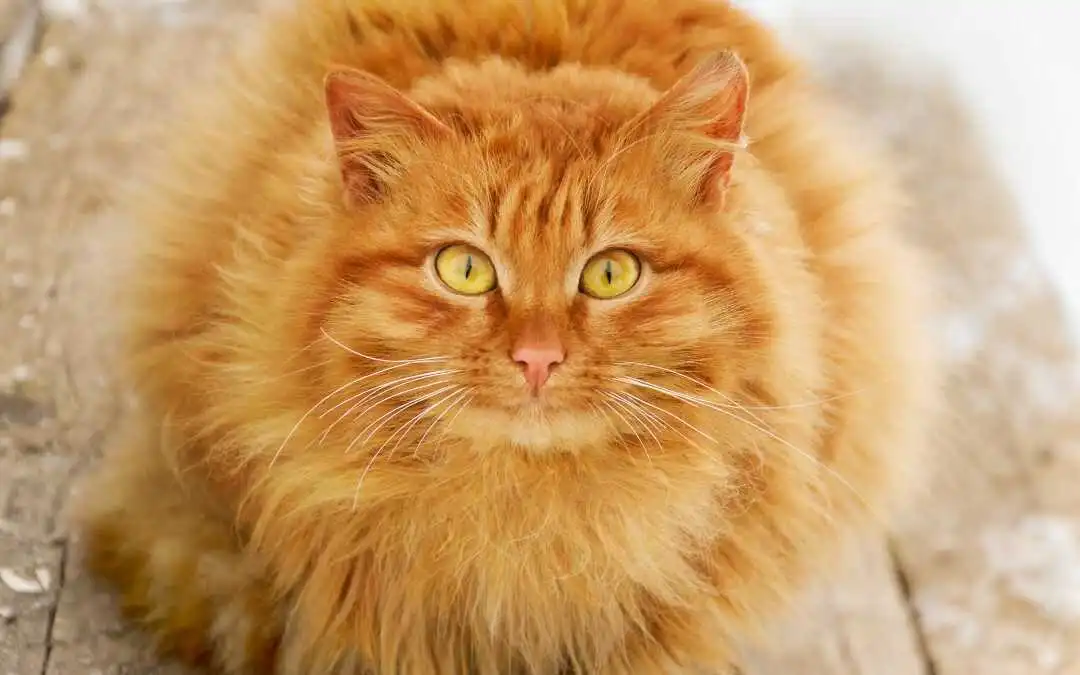
Cats are generally highly sensitive animals, their nervous systems are designed to detect small environmental changes, which means grooming environments can sometimes trigger a feline stress response. Common grooming stress triggers include:
- unfamiliar smells
- loud noises
- handling sensitive areas
- being restrained
- new people
When cats feel threatened, their body releases stress hormones like cortisol, this activates the fight, flight, or freeze response.
Many cats choose the freeze response during grooming, from the outside, a frozen cat can appear calm. But internally, the cat may be experiencing intense stress. During my shelter work, one lesson became very clear, quiet cat is not always a calm cat.
Sometimes a cat has simply decided there’s no point fighting anymore. This is why reading cat body language is essential when grooming.
Early signs of stress can include:
- stiff posture
- whisker tension
- subtle tail movements
- flattened ears
Ignoring these signals can lead to defensive aggression, which is one of the main causes of grooming accidents.
Does Grooming Stress Cats More Than Other Experiences?
So, is grooming stressful for cats compared to other situations?
The answer depends heavily on the cat and the context. For many cats, grooming isn’t actually the most stressful event they experience. Other situations often rank higher on the stress scale, including:
- vet visits
- car rides
- forced handling at home
- nail trimming struggles
Grooming becomes stressful mainly because it can create sensory overload. Common triggers include:
- clipper vibration
- water contact
- dryers
- unfamiliar scents
- new environments
A good example was a long-haired white cat named Snowball, brought in by a client named Aaron from German Village in Columbus.
Aaron told me:
“He’s perfectly calm at home but turns into a different cat at grooming.”
But after observing Snowball for a few minutes, the pattern became clear. Snowball wasn’t reacting to the grooming itself. He was reacting to:
- the car ride stress
- the noise of the dryer
Once we slowed the process down and reduced the noise exposure, his behavior improved dramatically. This is why context matters more than the grooming task itself, for many cats, grooming stress is actually environmental stress.
The Real Signs of Stress During Grooming
One of the biggest challenges with anxious cat grooming is that stress signals are often subtle. Cats rarely scream or panic immediately. Instead, they show small behavioral changes first.
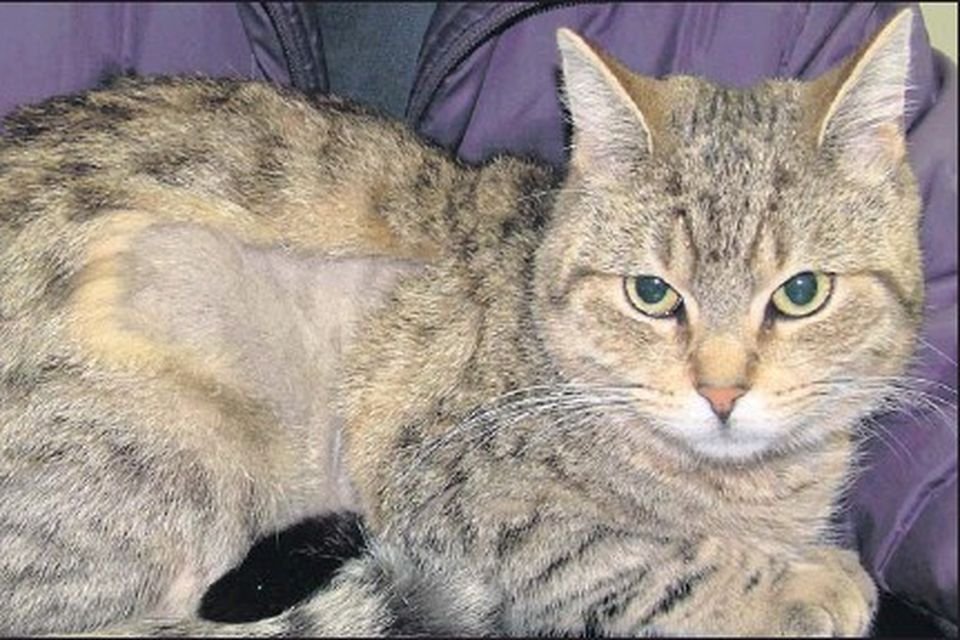
Common signs of stress during cat grooming include:
- tail flicking or whipping
- flattened ears
- dilated pupils
- whiskers pulled forward
- rigid body posture
- sudden aggression
I once worked with a sleek black cat named Juniper, brought in by her owner, Tara from the Short North neighborhood.
Tara told me, “She was fine until the brushing started.” But when Juniper arrived, the warning signs were already there, and within minutes, I noticed:
- whisker tension
- slow tail whipping
- slightly flattened ears
Those signals meant the grooming tolerance window was already closing. If brushing had continued aggressively, Juniper likely would have escalated into biting or scratching.
This is why professional groomers focus heavily on reading feline body language before problems escalate. Most owners simply don’t notice those early signals.
The Biggest Grooming Mistake Owners Make
In my experience, the biggest mistake cat owners make during grooming is pushing past stress signals. Common examples include:
- holding the cat down
- rushing through mats
- introducing loud clippers immediately
- grooming for too long
One case that stuck with me involved an orange tabby named Oliver, whose owner lived in Dublin, Ohio.
Oliver had developed severe matting on his back. His owner tried to brush the mats out at home while holding him down. Oliver panicked, scratched, and the brushing stopped halfway through.
The result? Oliver now associated the brush itself with fear.
This is a classic example of stress imprinting. Cats form strong memory associations that a single bad grooming experience can create long-lasting anxiety around tools or handling.
That’s one reason many owners eventually seek help after making common mistakes during home grooming. If you’re curious about the most frequent issues owners encounter, this guide explains them in detail:
Common cat grooming mistakes pet owners make
How Professional Groomers Reduce Anxiety
Professional groomers trained in feline behavior focus on one key principle, which is low-stress handling. Instead of forcing cats through grooming quickly, experienced groomers use techniques that reduce anxiety. These include:
- reading feline body language
- keeping sessions short
- minimizing restraint
- using quieter equipment
- gradual tool introduction
One concept becoming more popular in grooming is cooperative care. This approach allows the cat to participate rather than resist.
For example:
- letting the cat reposition
- pausing grooming when stress signals appear
- gradually reintroducing tools
My own rescue cat, Dot, is a perfect example. Dot came from a shelter with a history of defensive behavior. During her first grooming attempts she reacted to almost everything.
Instead of forcing long sessions, I started with two-minute brushing sessions, and over time, she learned the routine was predictable and safe. She still complains loudly, but she tolerates grooming far better than she used to.
Some Cats Will Always Find Grooming Stressful
It’s also important to acknowledge a simple truth, some cats will never enjoy grooming, and that’s okay. Several factors can make grooming more difficult, including:
- trauma history
- Poor early socialization
- chronic pain or medical issues
- naturally reactive temperament
In these cases, the goal isn’t to eliminate stress completely, the goal is simply to minimize it as much as possible. Some cats may eventually require:
- veterinary grooming
- mild sedation for severe matting
- specialized handling
In extreme cases where matting becomes severe, professional intervention becomes essential to prevent health problems.
You can learn more about the risks of neglecting grooming here: What happens if you don’t groom a cat
How Owners Can Reduce Grooming Stress at Home
The good news is that many grooming stress problems can be reduced with better preparation. Here are some practical tips for stress-free cat grooming at home:
1. Start Early
Cats that experience grooming as kittens are far more tolerant as adults. If you’re raising a kitten, this guide explains when to begin:
When to start grooming a kitten
2. Keep Grooming Sessions Short
Most cats have a grooming tolerance window of only a few minutes. Try sessions of:
- 3–5 minutes
- once every few days
3. Introduce Tools Slowly
Let your cat:
- sniff brushes
- observe clippers
- hear equipment from a distance
This helps prevent fear-based reactions later.
4. Reward Calm Behavior
Positive reinforcement works extremely well.
Use:
- treats
- gentle praise
- playtime afterward
5. Stop Before Stress Escalates
If you notice signs like tail flicking or flattened ears, stop the session early. Ending grooming before stress peaks builds positive associations.
When Grooming Stress Becomes a Welfare Issue
Occasional stress during grooming is normal. However, certain behaviors indicate a more serious welfare concern. These include:
- panic reactions
- severe aggression
- complete shutdown behavior
- excessive grooming after sessions
If your cat consistently reacts this way, it may be time to consult:
- a professional groomer
- a veterinarian
- a feline behavior specialist
In some cases, grooming anxiety is linked to underlying medical conditions. Addressing those issues can make grooming significantly easier.
Frequently Asked Questions
Does grooming stress cats?
Yes, grooming can stress cats, especially if the environment is unfamiliar or the cat has had negative past experiences. However, professional groomers trained in low-stress handling techniques can significantly reduce grooming anxiety.
Do cats get stressed during grooming?
Some cats do, particularly if they are sensitive to:
- noise
- restraint
- travel
- unfamiliar people
Cats that were introduced to grooming gradually from kittenhood usually tolerate grooming much better.
How can I reduce stress when grooming my cat?
You can reduce grooming stress by:
- keeping sessions short
- introducing tools slowly
- rewarding calm behavior
- stopping when stress signals appear
- grooming regularly instead of waiting for severe matting
Is professional grooming less stressful for cats?
Often, yes. Experienced groomers understand cat body language and stress signals, allowing them to adjust handling techniques before anxiety escalates.
What are signs of stress during cat grooming?
Common signs include:
- tail flicking
- flattened ears
- dilated pupils
- whisker tension
- stiff posture
- sudden aggression
Recognizing these signals early can prevent grooming sessions from escalating into panic.
Final Thoughts
So, does grooming stress cats? Sometimes, but usually not for the reasons people assume. Most grooming anxiety comes from environmental stress, rushed handling, or past negative experiences.
With patience, gradual introduction, and low-stress handling techniques, grooming can become something most cats learn to tolerate. Some might even enjoy it, but my rescue cat Dot still complains about every brushing session. She just complains a little less than she used to, and in the world of cat grooming, that’s usually considered progress.