
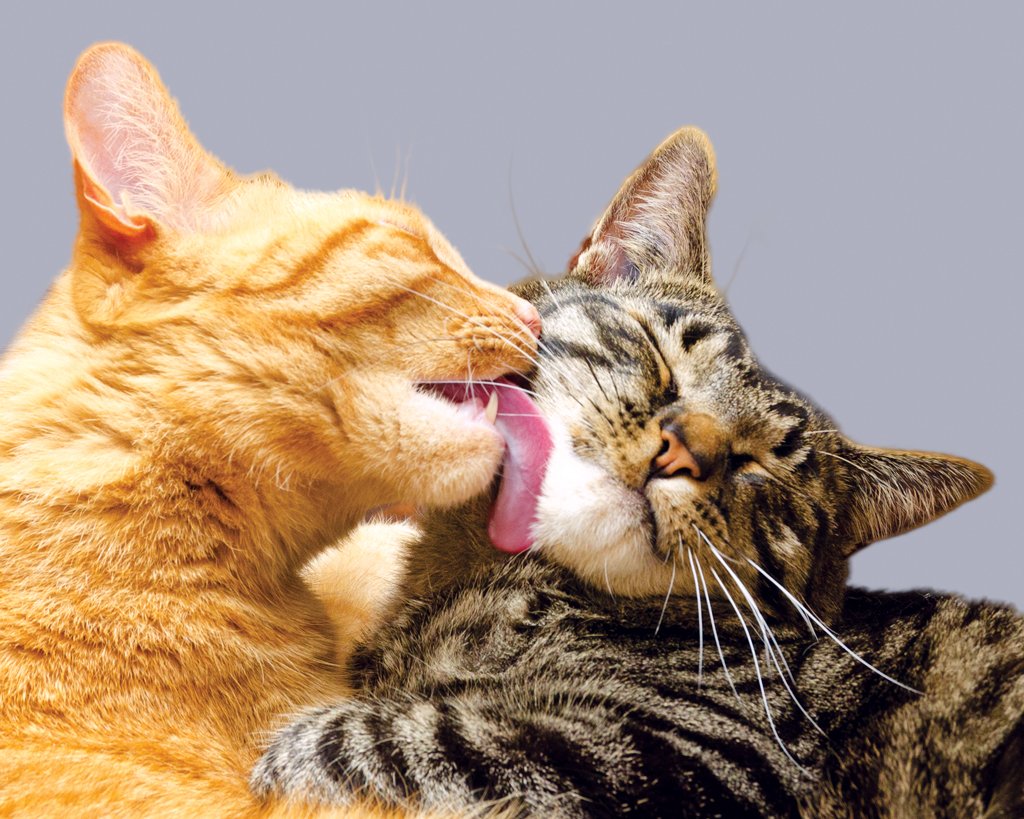
Cats are excellent self-groomers, but self-grooming alone isn’t enough for most modern indoor cats long term. Regular brushing, nail trims, and occasional professional grooming prevent matting, buildup, and hidden health issues.
Can cats groom themselves enough? It’s one of the most common things new cat parents tell me, and one of the most misunderstood assumptions in feline care.
“Don’t cats groom themselves?”
“He’s always licking, so I figured he’s clean.”
“She hates brushes, so I just let her handle it.”
After years of seeing cats come in for grooming, I’ve noticed a pattern: many look “mostly fine” at first glance. Shiny on top. Relaxed. Seemingly well-kept.
But once you part the fur? you feel the coat compacted, matting under the armpits, oily buildup along the spine, and you see the ingrown nails. Self-grooming is powerful. But it isn’t complete grooming, let’s separate the myths from reality.
Yes, Cats Groom Themselves But That’s Only Part of the Story
Why Do Cats Groom Themselves?
Before we challenge the idea, we need to understand it.
Yes, do cats groom themselves? Absolutely.
Cats groom themselves because:
- It regulates body temperature
- It distributes natural oils
- It removes loose surface hair
- It relieves stress
- It reinforces scent identity
- It strengthens bonds (allogrooming between cats)
 I once worked with two bonded siblings a white short-hair and a tuxedo living in a downtown condo in River District. They groomed each other constantly. You could hear their little tongues working during nap time.
But behind their ears? Small mats had formed and under the front legs? Dense tangling had begun. Even cats that groom each other can’t reach every friction point effectively. Self-grooming is instinctive, but instinct doesn’t equal full maintenance.
The Cats Groom Themselves Myth
The Myth “If they’re licking, they’re clean” Here’s the core misunderstanding:
If a cat is licking, they must be clean. That’s the cats groom themselves myth, but licking does not equal deep cleaning.
A cat’s saliva:
- Spreads oils
- Loosens some surface debris
- Helps remove loose topcoat
What it does not do:
- Remove compacted undercoat
- Prevent oily coat buildup
- Trim nails
- Clean ears
- Address stud tail
- Prevent deep matting
I remember a short-haired indoor cat from the Maple Ridge neighborhood a grey domestic named Milo. His owner said:
“He’s always licking himself, so I assumed he was fine.” On the surface? He looked sleek.
Underneath? Heavy coat compaction, dense, packed, almost felt like felt fabric beneath the top layer. That’s the difference between surface grooming and structural grooming. So when people ask:
Is self grooming enough for cats? The answer is often no especially for indoor cats with sedentary lifestyles.
(And if you’re unsure about indoor grooming specifically, you might also want to read:
👉 Is Cat Grooming Necessary for Indoor Cats? What Most Owners Get Wrong)
What Self-Grooming Cannot Do
The Things Cats Physically Can’t Manage Alone
Let’s break this down clearly, there are certain grooming tasks cats simply cannot perform.
1. Nail Trimming
Cats do not trim their own nails. They may scratch surfaces to shed outer layers but that doesn’t prevent:
- Overgrowth
- Ingrown nails
- Curling claws are embedding into paw pads
2. Ear Cleaning
Cats don’t clean deep ear canals. Wax buildup and debris require inspection and safe removal.
3. Severe Matting & Coat Compaction
Once fur tangles beneath the surface, licking makes it worse by tightening fibers.
4. Oily Coat Buildup & Stud Tail
Hormonal oil accumulation along the base of the tail cannot be resolved through licking.
5. Sanitary Trimming
Overweight or long-haired cats often struggle to keep their rear areas clean. I once groomed an overweight orange tabby from Oakview Estates, his name was Jasper. Sweet temperament. But he couldn’t reach his rear properly.
There was litter stuck in his paws, and sanitary buildup around the tail base. He wasn’t lazy, he physically couldn’t reach.
This is especially common in:
- Senior cats (senior cats grooming challenges)
- Obese cats (obese cats grooming limitations)
- Cats with arthritis and grooming mobility decline
Which raises another question:
Do cats need professional grooming? For many indoor cats yes, at least periodically.
If you’re curious what happens when support is neglected, this guide breaks it down clearly:
👉 What Happens If You Don’t Groom a Cat? Common Problems Explained
When Self-Grooming Becomes Overgrooming
Stress, Anxiety, and Psychogenic Alopecia
There’s another side to this, sometimes cats groom too much. Overgrooming in cats can lead to:
- Bald patches
- Skin irritation
- Psychogenic alopecia
- Raw spots from compulsive licking
I saw this clearly with a cat named Luna after her family moved apartments across town, new environment, and new smells. Within weeks, she developed thinning fur along her belly. This wasn’t hygiene grooming, it was stress grooming.
Cats groom themselves for comfort, but anxiety can push that behavior into unhealthy territory. If your cat is grooming constantly, it’s not always a cleanliness issue. It can be emotional.
The Cats Who Struggle the Most
Seniors, Overweight Cats, and Long-Haired Breeds
Certain cats are simply more vulnerable.
1. Senior Cats
Mobility decline makes reaching difficult.
Arthritis and grooming don’t mix well.
2. Overweight Cats
Limited flexibility = incomplete cleaning.
3. Long-Haired Breeds
They face:
- Matting under armpits
- Coat compaction
- Dander buildup
- Hidden pelted layers beneath fluffy tops
A 14-year-old Persian from Lakeside, cream colored, named Bella, looked perfectly brushed on the surface.
But underneath? Was full pelt matting along the abdomen, her owner said something I hear often:
“I thought she was grooming herself.” She was trying, but it just wasn’t enough.
If you’re unsure how breed and coat type change grooming needs, this helps clarify:
👉 How Often Should Cats Be Groomed?
So… Can Cats Groom Themselves Enough?
The Honest Answer
So let’s answer it clearly:
Can cats groom themselves enough?
Sometimes, temporarily, yes, but long-term? Most indoor cats benefit from structured support. A young, active, short-haired outdoor cat may manage fairly well for a time.
But:
- Indoor sedentary cats
- Aging cats
- Long-haired breeds
- Overweight cats
almost always require assistance for self-grooming maintenance, and supportive grooming protects.
If you want a foundational breakdown of what grooming actually includes, this beginner guide helps define it clearly:
👉 What Is Cat Grooming? A Complete Beginner’s Guide
What Responsible Support Looks Like
Support vs Overdoing It
When people hear “grooming,” they imagine:
- Weekly baths
- High-maintenance routines
- Overhandling
That’s not the goal.
Healthy feline hygiene usually includes:
- Regular brushing (shedding control + dander reduction)
- Nail trimming every few weeks
- Ear checks
- Occasional professional grooming if coat density demands it
So naturally, the next question becomes:
How often should cats be groomed?
That depends on:
- Coat type
- Age
- Weight
- Lifestyle
- Health condition
And recognizing the signs your cat needs grooming early prevents emergency mat shaving later.
If you want a deeper health-based perspective on why this matters, this article explains the long-term benefits:
👉 Why Regular Grooming Is Important for Cats (Health, Hygiene & Comfort)
Support isn’t replacing their instinct it’s reinforcing it safely.
FAQs
Can cats groom themselves enough?
Cats groom themselves instinctively, but self-grooming alone is usually not enough for most indoor cats long-term. They cannot trim nails, prevent matting, or manage coat compaction without assistance.
Do indoor cats need grooming?
Yes. Indoor cats often shed more consistently, move less, and develop coat compaction more easily. Regular brushing and nail trims are essential even if they never go outside.
Do cats need professional grooming?
Not every cat requires frequent professional grooming, but long-haired, senior, overweight, or mobility-limited cats often benefit from periodic professional support.
Why do cats groom themselves so much?
Cats groom for temperature regulation, scent control, stress relief, and hygiene. Excessive grooming may indicate anxiety or medical concerns.
Is it bad if my cat overgrooms?
Overgrooming can lead to bald patches and skin damage. If you notice thinning fur or constant licking, consult a veterinarian to rule out stress or health conditions.
How often should cats be groomed?
Short-haired cats typically need brushing weekly, while long-haired breeds may require several sessions per week plus professional maintenance depending on coat density.
Final Thoughts
I’ve never met a cat who didn’t try, they just instinctively groom themselves daily. They care deeply about their own hygiene.
But modern indoor life reduced movement, aging, dense coats, and stress change the equation. Self-grooming is remarkable, it just isn’t always complete, and sometimes the most loving thing we can do, is quietly support what they’re already trying to do themselves.