
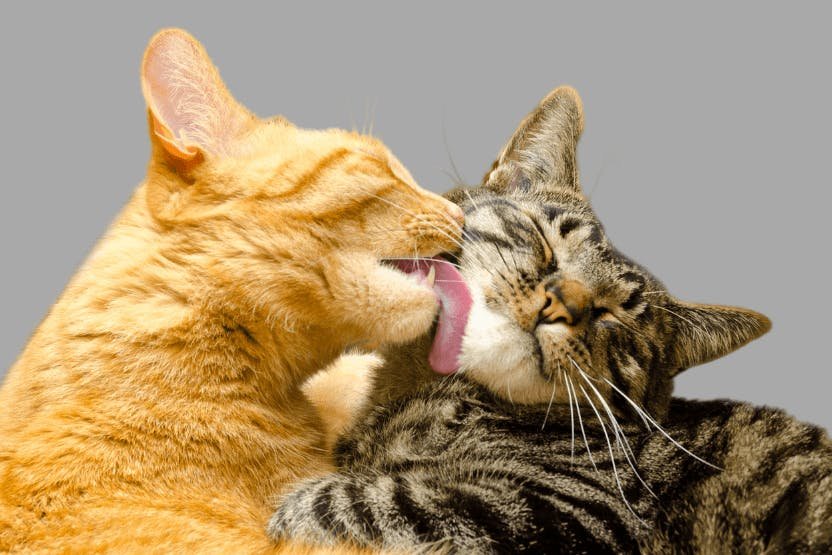
Cat grooming skin sensitivity often shows up as irritation, overgrooming, or strong reactions to touch during grooming. Recognizing early signs and adjusting your grooming approach can prevent pain, stress, and long-term skin damage.
Why Cat Grooming Skin Sensitivity Is Often Misunderstood
Cat grooming skin sensitivity is one of the most misinterpreted issues cat owners face. Many people assume their cat is being “difficult” or aggressive during grooming, when in reality, the cat may be experiencing discomfort, irritation, or even pain.
Understanding what cat grooming actually involves is the first step toward recognizing that grooming is not just about brushing fur, it’s also about interacting directly with the skin.
A real example:
A client once brought in Simba, an orange tabby from a quiet suburban neighborhood. His owner believed he had an “attitude problem” because he would hiss and swat during brushing. But after a closer inspection, it became clear Simba had flea allergy dermatitis causing intense skin irritation. The grooming reaction wasn’t behavioral it was physical.
This is the core problem:
👉 grooming exposes underlying skin issues
👉 and sensitivity is often mistaken for bad behavior
In this article, you’ll learn:
-
what causes sensitive skin in cats
-
the signs of skin sensitivity in cats
-
how to groom safely without worsening irritation
What Cat Grooming Skin Sensitivity Actually Means
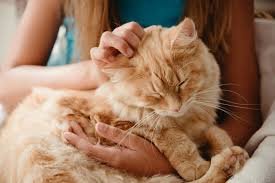
Cat grooming skin sensitivity isn’t just “sensitive skin.” It’s a reaction to touch, pressure, or grooming tools that triggers discomfort.
This can involve:
-
Skin inflammation
-
Nerve sensitivity
-
Irritation from brushing or handling
-
Heightened tactile sensitivity in cats
In simple terms:
👉 normal grooming = mild resistance or restlessness
👉 abnormal sensitivity = pain response, flinching, or aggression
This difference matters.
Cats with sensitive skin often experience an inflammatory skin response, where even light grooming pressure can feel uncomfortable. In some cases, nerve sensitivity in the skin amplifies this reaction, making routine grooming feel overwhelming.
Common Signs of Skin Sensitivity in Cats
Recognizing early cat grooming irritation signs can prevent bigger problems later.
Physical Signs
-
Redness or inflamed skin
-
Dandruff or flaky patches
-
Scabs or small bumps (miliary dermatitis)
-
Bald spots or thinning fur
-
Oily or dull coat condition
Behavioral Signs
-
Flinching when touched
-
Sudden aggression during grooming
-
Skin twitching or rippling
-
Excessive licking or biting
-
Avoidance of grooming sessions
These behavioral changes are often linked to excessive grooming in cats, which many owners mistakenly think is normal.
When you notice these signs, it’s your cat’s way of communicating discomfort not misbehavior.
What Causes Cat Grooming Skin Sensitivity?
Understanding what causes sensitive skin in cats helps you respond correctly.
1. Allergies
One of the most common causes.
-
Flea allergy dermatitis
-
Food sensitivities
-
Environmental allergens (dust, pollen)
These trigger hypersensitivity reactions in cats, leading to intense itching and inflammation.
2. Parasites
Even mild infestations can cause:
-
Flea irritation
-
Mite infections
-
Skin inflammation
This is often labeled as parasite irritation in cats, and it’s a major cause of grooming discomfort.
3. Skin Infections
-
Fungal infections (like ringworm)
-
Bacterial infections
These weaken the skin barrier function and increase irritation during grooming.
4. Stress-Related Grooming
Cats under stress may develop:
-
Psychogenic alopecia
-
Stress-induced grooming
This leads to hair loss and heightened sensitivity.
5. Pain-Related Sensitivity
Sometimes the issue isn’t the skin it’s deeper.
Conditions like:
-
Arthritis
-
Injury
-
Muscle pain
can create a pain response to grooming, especially when touching the back or hips.
Overgrooming vs Skin Sensitivity: What’s the Difference?
This is where many owners get confused.
-
Overgrooming = a symptom
-
Skin sensitivity = often the cause
Here’s the cycle:
-
Skin irritation starts
-
Cat licks excessively
-
Skin becomes more inflamed
-
Sensitivity increases
This loop can lead to psychogenic alopecia or stress grooming patterns. So when you see excessive grooming, don’t just stop the behavior, ask what’s causing it.
How Grooming Can Make Sensitive Skin Worse
Improper grooming can amplify cat skin irritation grooming issues. Common mistakes include:
-
Using harsh or stiff brushes
-
Pulling through mats without detangling
-
Overbathing
-
Using inappropriate shampoos
A typical case involved Chloe, a long-haired cat whose owner bathed her weekly to control shedding. Instead, it caused dry, flaky skin and worsened her irritation.
This happens because:
-
Frequent washing strips natural oils
-
Skin barrier function becomes damaged
-
Inflammation increases
To avoid this, it’s important to understand common cat grooming mistakes.
How to Groom a Cat With Sensitive Skin Safely
If your cat shows signs of sensitive skin in cat grooming, you need a different approach.
Follow the “Check-Before-You-Groom Rule”
Before grooming:
-
Inspect for redness, scabs, or irritation
-
Check for parasites
-
Observe your cat’s reaction to touch
Safe Grooming Practices
-
Use soft, gentle brushes
-
Groom in short sessions
-
Avoid irritated or sensitive areas
-
Choose hypoallergenic grooming products
-
Maintain a calm environment
Also, understanding how often cats should be groomed helps prevent overgrooming or overstimulation.
Important Reminder
Grooming a cat with skin issues is not about doing more, it’s about doing less, but more carefully.
When Skin Sensitivity Becomes a Medical Concern
Some cases of cat skin problems grooming require veterinary attention.
Watch for:
-
Bleeding or open sores
-
Rapid hair loss
-
Severe redness or swelling
-
Extreme reactions to touch
In rare cases, conditions like feline hyperesthesia syndrome may cause extreme tactile sensitivity and skin twitching. If you’re unsure, review the signs your cat needs professional grooming
How Professionals Handle Cats With Skin Sensitivity
Professional groomers approach cat grooming safety skin issues differently. They focus on:
-
Low-stress handling techniques
-
Reading subtle body language
-
Adjusting pressure and tools
-
Monitoring skin condition before grooming
As many professionals say, “We don’t just groom the coat we assess the skin first.” If you’re unsure whether to seek help, consider whether professional cat grooming is worth it
What Cat Owners Often Get Wrong (From Experience)
From real grooming experience, the most common mistakes include:
-
Assuming aggression is behavioral
-
Ignoring early signs of irritation
-
Overbathing
-
Using the wrong grooming tools
Another common misunderstanding is believing that grooming always reduces stress, when in fact,
does grooming stress cats depends entirely on how it’s done.
FAQ
What is cat grooming skin sensitivity?
Cat grooming skin sensitivity refers to a cat’s physical or behavioral reaction to grooming due to irritation, inflammation, or nerve sensitivity. It often shows up as flinching, aggression, or excessive grooming.
How do I know if my cat has sensitive skin?
Look for signs like redness, dandruff, scabs, or behavioral changes such as twitching, licking, or avoiding touch. These are common signs of skin sensitivity in cats.
Why is my cat sensitive to touch when grooming?
This can be caused by allergies, parasites, infections, or pain. In some cases, it’s linked to nerve sensitivity or underlying health issues.
Can grooming cause skin irritation in cats?
Yes. Using harsh tools, grooming too frequently, or applying the wrong products can damage the skin barrier and cause irritation.
How do you groom a cat with sensitive skin?
Use gentle brushes, avoid irritated areas, groom in short sessions, and always check the skin before starting. Choose hypoallergenic products and avoid overbathing.
Final Thoughts
Most cats don’t hate grooming, they are reacting to discomfort we didn’t notice. Cat grooming skin sensitivity is not just a grooming issue, it’s a signal. A signal that something beneath the surface needs attention.
When you learn to read that signal, you shift from forcing grooming… to understanding your cat. And that is what makes grooming safer, calmer, and more effective.