
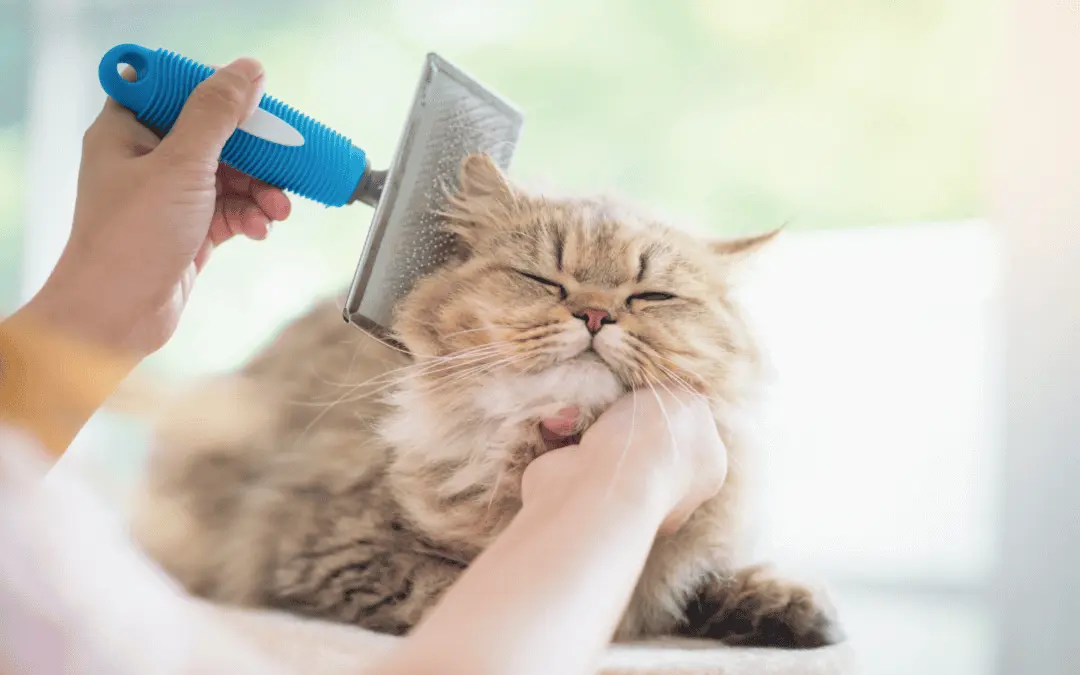
Many cat owners unintentionally make cat grooming mistakes such as brushing too aggressively, ignoring small mats, overbathing, or trimming nails incorrectly. Learning proper grooming techniques and recognizing when to seek professional help can prevent stress, injuries, and long-term coat problems.
“I Thought I Was Grooming My Cat Correctly…”
One thing I hear almost every week from new cat owners is this:
“I thought I was grooming her correctly.”
Most people genuinely try their best to care for their cats. But in my experience working with hundreds of cats brought in for grooming, many owners unknowingly make cat grooming mistakes that can cause coat problems, stress, or even pain for their pets.
Sometimes the mistake is brushing too hard.
Sometimes it’s bathing the cat too often.
Other times it’s ignoring small mats until they become serious.
I remember a client named Danielle from the Brookfield neighborhood who brought in her gray domestic longhair named Willow. She told me:
“I brush her every day but she still sheds everywhere.”
When I checked Willow’s coat, I found heavy coat compaction under the top layer a very common grooming problem in cats that are brushed incorrectly.
Grooming can feel confusing because cats groom themselves naturally. But self-grooming doesn’t replace proper coat care.
If you’re new to feline grooming, it helps to first understand the basics in “What Is Cat Grooming? A Complete Beginner’s Guide for Pet Owners”
In this article, I’ll walk you through the most common cat grooming mistakes I see owners make, and how you can avoid them.
Brushing Too Hard or Using the Wrong Brush
One of the most common mistakes when brushing a cat is simply using the wrong tool or brushing too aggressively.
Many owners assume that the harder they brush, the more loose hair they will remove. But cats have delicate skin, and harsh brushing can cause coat damage, skin irritation, and grooming anxiety.
I once groomed a fluffy long-haired cat named Luna from Maplewood. Her owner had been using a stiff slicker brush daily because someone online said it would reduce shedding.
Unfortunately, Luna’s skin had become red and sensitive, and the coat on her shoulders was starting to thin from over-brushing.
The problem wasn’t grooming it was improper grooming tools and technique.
Why this happens
Cats require different brushing styles depending on their coat type. Common brushing mistakes include:
- Brushing sensitive areas too aggressively
- Using tools designed for dogs
- Brushing only the surface coat
- Ignoring undercoat buildup
A proper grooming routine should focus on gentle undercoat removal and preventing coat compaction. If you’re unsure how often brushing should happen, this guide explains it well:
How Often Should Cats Be Groomed? Short Hair vs Long Hair Cats
Ignoring Matting Until It Becomes a Big Problem
Another mistake I see frequently is owners ignoring small tangles until they turn into painful mats. At first, mats feel like small lumps in the fur, but over time, they tighten and begin pulling on the skin.
I once saw a cream-colored cat named Oliver from Lakeside whose owner thought the dense fur under his front legs was just a “thick coat.” When I separated the hair, I discovered several tight mats under the armpits and belly areas where matting happens quickly because of friction and moisture.
Why matting is dangerous
Mats can:
- Pull painfully on the skin
- Trap moisture and bacteria
- Restrict movement
- Cause skin infections
Long-haired breeds are especially vulnerable to coat compaction and matting under armpits. Many grooming problems actually start with small tangles that were overlooked.
Bathing Cats Too Often
Another surprisingly common grooming error is overbathing cats. Some owners believe that frequent baths will reduce shedding or keep their cat cleaner. In reality, bathing too often can strip natural oils from the coat.
I once met an indoor cat owner who bathed her tabby every week because she thought it would stop hair from appearing on the couch. Instead, the cat developed dry skin and excessive shedding the exact opposite of what she wanted.
Cats are natural self-groomers, and saliva helps distribute oils through their coat. If you’re wondering whether cats can handle grooming alone, read: Can Cats Groom Themselves Enough? Grooming Myths vs Reality
What can overbathing cause
Too many baths may lead to:
- Dry or flaky skin
- Coat imbalance
- Increased shedding
- Grooming stress
Most cats only need occasional bathing unless recommended by a professional groomer.
Cutting Nails Incorrectly or Too Short
Nail trimming is another area where cat nail trimming mistakes frequently happen. One of the most common errors is cutting into the quick, the blood vessel inside the nail.
A client named Mark once brought his orange tabby Milo to the salon in Riverbend because the cat had become terrified of nail trimming. When I asked what happened, he explained that during a previous trim he accidentally cut the nail too short and Milo bled. After that experience, the cat would run and hide whenever he saw nail clippers.
Why nail mistakes matter
A painful grooming experience can affect a cat’s grooming tolerance window. Cats remember stressful events, and negative grooming experiences can create long-term anxiety around handling.
Proper trimming requires patience and careful positioning.
Forcing Grooming When the Cat Is Stressed
Another mistake I see frequently is forcing grooming sessions when a cat is already anxious. Owners often assume they must finish the grooming task immediately. But cats don’t respond well to force.
I remember a black domestic shorthair named Shadow from Brookfield whose owner tried to hold him down while brushing. Shadow reacted by scratching, biting, and hiding whenever the brush came out. This wasn’t a “bad cat” it was a cat experiencing grooming stress and overhandling.
A better approach
Instead of forcing grooming:
- Keep sessions short
- Introduce tools slowly
- Reward calm behavior
- Groom in quiet environments
This builds trust and prevents grooming anxiety.
Using Human Products on Cats
Many well-meaning owners assume that gentle human products like baby shampoo are safe for cats. But feline skin has a different pH balance than human skin.
Using the wrong products can cause:
- Skin irritation
- coat dryness
- allergic reactions
I once saw a white Persian kitten brought in by a client from Brookfield after the owner used a scented shampoo meant for humans. The cat developed redness along the neck and shoulders within days, cats should always be bathed with feline-specific grooming products.
Skipping Grooming Because “My Cat Is Indoor”
One of the biggest myths in cat care is that indoor cats don’t need grooming. In reality, indoor cats often develop grooming issues because they shed year-round and move less.
Bella, a chubby indoor cat from Riverbend, was brought in by her owner who thought she didn’t need grooming because she never went outside. But Bella had heavy dander buildup and undercoat compaction.
Indoor cats may also struggle with grooming due to:
- obesity
- reduced mobility
- aging
This topic is explained in detail here: Is Cat Grooming Necessary for Indoor Cats? What Most Owners Get Wrong
Cat Grooming Mistakes (Quick Checklist)
If you want a quick way to recognize cat grooming mistakes, here are the most common ones I see:
- Brushing too aggressively
- Using improper grooming tools
- Ignoring small mats
- Bathing cats too frequently
- Cutting nails too short
- Forcing grooming sessions
- Using human shampoo
- Skipping grooming for indoor cats
Correcting these habits can dramatically improve your cat’s coat health and grooming experience.
When to Let a Professional Groomer Help
There are situations where grooming at home simply isn’t enough. Professional groomers handle grooming challenges such as:
- Severe matting
- Coat compaction
- sanitation trimming
- difficult nail trims
- anxious cats
If grooming has become stressful for your cat, or if coat problems have already developed, it may be time to consult a professional. Regular grooming support is important for overall health, which is why Why Regular Grooming Is Important for Cats (Health, Hygiene & Comfort) explains the long-term benefits of proper coat care.
Frequently Asked Questions
What are the most common cat grooming mistakes?
The most common cat grooming mistakes include brushing too hard, ignoring small mats, bathing cats too frequently, trimming nails incorrectly, and forcing grooming when the cat is stressed. Many of these mistakes happen when owners use the wrong tools or try to groom too quickly.
Is it bad to bathe a cat too often?
Yes. Bathing cats too frequently can strip the coat of natural oils and cause dry skin, irritation, and increased shedding.
How often should cats be groomed?
Grooming frequency depends on coat type. Short-haired cats may need brushing once or twice a week, while long-haired cats often require daily brushing to prevent matting.
Can grooming hurt a cat?
Improper grooming can cause discomfort if tools are used incorrectly, nails are cut too short, or mats are pulled instead of removed properly.
Do indoor cats still need grooming?
Yes. Indoor cats still shed and develop undercoat buildup, so regular grooming helps prevent coat compaction and hygiene problems.
What grooming mistakes cause matting?
Matting usually occurs when brushing is skipped, the wrong tools are used, or small tangles are ignored until they tighten.
Final Thoughts
Most cat grooming mistakes don’t come from neglect.
They come from owners genuinely trying to care for their cats without realizing that small technique errors can create bigger problems over time.
I’ve met countless cat owners who were doing their best—brushing regularly, trimming nails, even bathing when they thought it was necessary.
But with the right approach, grooming can become a calm and healthy routine rather than a stressful experience.
Start gently.
Use the right tools.
And when needed, don’t hesitate to ask for professional help.
Because every cat deserves grooming that supports their comfort, health, and confidence.