
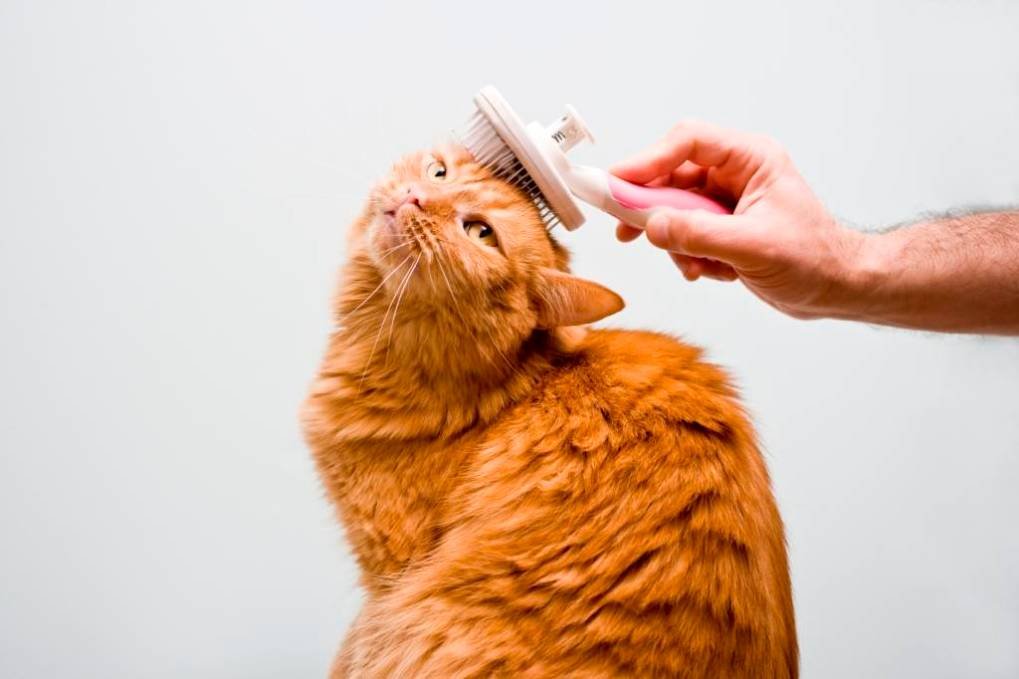
If you don’t groom a cat, small issues like shedding and nail growth can develop into painful mats, skin problems, digestive stress, and behavioral changes. Most grooming neglect isn’t intentional, it’s simply a misunderstanding of what cats can’t manage alone.
Over the years, I’ve met more cat owners asking, “What happens if you don’t groom a cat?” but usually after the mats have already formed. The truth is, grooming neglect rarely looks dramatic in the beginning, it builds quietly, a little extra shedding, slightly longer nails, a coat that feels just a bit greasy, nothing that seems urgent until it is.
Most cat parents assume their cats can handle everything on their own, after all, they’re constantly licking themselves. But what I’ve seen again and again is that self-grooming and proper grooming are not the same thing, and the consequences of not grooming a cat often show up in ways owners don’t expect.
The First Thing That Happens if you don’t groom a cat
The earliest stage of coat neglect is subtle, because loose hair doesn’t get removed, and natural oils begin to sit on the surface. Dander builds up, over time, and that once-soft coat starts feeling heavier and slightly greasy.
Underneath that sleek short hair was early compaction, loose fur trapped close to the skin, slight dander buildup, and small clumps beginning to form behind his shoulders.
Even short-haired cats develop matted fur when shedding layers aren’t removed. Coat neglect doesn’t discriminate by hair length.
Early signs your cat needs grooming include:
- Slightly greasy coat texture
- Increased shedding around the home
- Dull appearance
- Small tangles near friction areas (neck, armpits, base of tail)
Left alone, that buildup only tightens.
When Matting Turns Into Skin Damage
Matting isn’t just cosmetic, it becomes physical. As loose fur compacts, it pulls against the skin. These painful mats restrict natural movement, especially in long-haired or senior cats. Over time, mats trap moisture and debris, which can lead to skin irritation or even hidden sores.
Rosie, a senior cream-colored long-hair from a quiet suburban neighborhood, was brought in by her owner, Mrs. Patel. She thought Rosie had simply “become grumpy in her old age.” When we parted her coat, we found thick matting along her hips and under her chest. The skin underneath was inflamed.
That stress from matting changes a cat’s personality. It causes discomfort every time they move. And when owners finally try to brush them, grooming resistance appears not because the cat is “mean,” but because brushing hurts.
Painful mats can:
- Pull tightly on skin
- Hide infections or sores
- Restrict stretching and jumping
- Trigger defensive behavior
This is one of the most misunderstood long term effects of not grooming a cat.
What Happens Inside the Body
When coat neglect increases, so does hair ingestion, and then cats start swallowing loose hair while self-grooming. Without regular brushing to remove that excess fur, hairballs in cats become more frequent. What many owners call “normal weekly hairballs” are often preventable.
Luna, a young brown tabby from the Riverside area, was known for coughing up hair every few days. Her owner assumed it was just part of cat ownership. After we established a simple brushing routine, the hairballs reduced significantly within weeks.
Here’s what happens internally when grooming is skipped:
- Excess loose hair gets swallowed
- Hair accumulates in the digestive tract
- Mild constipation can develop
- In extreme cases, digestive issues from hair ingestion may require veterinary attention
While most cases don’t escalate to blockages, the stress on the digestive system increases unnecessarily, and rushing reduces what the cat has to swallow.
The Problem Most Owners Don’t Notice
Coat problems get attention while nails usually don’t, and indoor cats especially don’t wear down their nails naturally the way outdoor cats might. Without trimming, nails grow longer, sharper, and sometimes curl inward.
Oliver, an obese orange indoor cat from a gated condo community, came in because his owner noticed he was “snagging on the carpet.” His nails were beginning to curve. Not fully curled into the paw but close.
Overgrown nails can:
- Hook into fabrics
- Affect posture
- Cause subtle paw pain
- Increase risk of curled claws
Nail neglect is part of feline hygiene that’s easy to overlook. But over time, it affects mobility and comfort especially in less active cats.
Senior and Overweight Cats Suffer Most
If there’s one group that struggles most without grooming, it is aging or overweight cats. Arthritis and grooming limitations go hand in hand, and reduced flexibility makes it difficult to reach the lower back or hindquarters.
I once worked with Bella, a 14-year-old black cat from a lakeside neighborhood. Her owner was confused. “She used to groom herself perfectly.” But senior cats grooming habits decline as mobility declines.
Without assistance, their coats become:
- Greasy
- Flaky
- Compacted
- Prone to matting
Obese cats grooming limitations create similar outcomes, and this is often the point when owners ask, “Is grooming necessary for cats even if they’ve always managed before?” The answer changes with age.
Irritability, Hiding, and Grooming Resistance
One of the more subtle consequences of not grooming a cat is behavioral change.
Discomfort alters mood.
I’ve had owners describe their cats as suddenly “moody,” “distant,” or “aggressive.” In many cases, the underlying issue wasn’t personality, it was physical discomfort from coat or nail neglect.
Common behavioral changes in cats related to grooming neglect include:
- Increased hiding
- Irritability when touched
- Overgrooming patches in certain areas
- Grooming resistance during brushing attempts
Overgrooming vs undergrooming can even exist simultaneously. A cat may obsessively lick one reachable area while neglecting others.
When mats or skin irritation are present, brushing becomes painful, which reinforces avoidance, and this cycle continues until grooming becomes a battle.
When Neglect Requires Veterinary Help
In severe cases, matting can only be removed by shaving, sometimes under sedation. That is a moment no owner anticipates.
Sedation isn’t routine, but when matting is tight against inflamed skin, clipping can cause pain. For safety, veterinary involvement may become necessary.
These are the more serious long term effects of not grooming a cat:
- Full body shave-downs
- Sedation risks
- Increased stress
- Higher medical costs
Prevention is always easier, and far less stressful than correction.
Can Cats Groom Themselves Enough?
This is the question at the core of everything. Do cats need grooming if they constantly lick themselves? My honest answer remains that self-grooming is maintenance, not complete care. Cats cannot:
- Trim their own nails
- Remove all loose undercoat
- Prevent mat formation in long hair
- Address ear wax buildup
- Manage coat care when mobility declines
Can cats groom themselves enough? Sometimes temporarily. But long term, most benefit from structured grooming support.
So if you’re asking, “What if I don’t groom my cat?” the answer depends on age, coat type, health, and environment. But most indoor cats require some level of assistance.
FAQs
What happens if you don’t groom a cat?
If you don’t groom a cat, coat compaction, matted fur, overgrown nails, increased hairballs, skin irritation, and behavioral changes can gradually develop. While some cats cope longer than others, neglect eventually affects comfort and health.
Can cats survive without being groomed?
Many cats survive without structured grooming, but survival isn’t the same as comfort. Over time, coat neglect and nail overgrowth create preventable stress.
How often should cats be groomed?
How often should cats be groomed depends on coat type, short-haired cats may need brushing weekly, while long-haired cats often require multiple sessions per week. Seniors and obese cats typically need more frequent assistance.
Do short-haired cats need grooming?
Yes. Even short-haired cats shed and accumulate loose undercoat. Grooming reduces hairballs, dander buildup, and early matting.
Can mats hurt a cat?
Absolutely. Painful mats pull on skin, restrict movement, and may hide sores or infections.
Can neglecting grooming cause health problems?
Yes. Beyond coat issues, neglecting grooming can contribute to digestive issues from hair ingestion, paw discomfort from curled claws, and behavioral stress.
Final Thoughts
I’ve never met an owner who didn’t care, i have met many who simply didn’t realize that grooming isn’t about perfection, it is about prevention. A few minutes of brushing or nail trimming can prevent months of discomfort later.
If there’s one thing experience has taught me, it is that small maintenance prevents big corrections, and most cats are far more comfortable when we step in to help.