
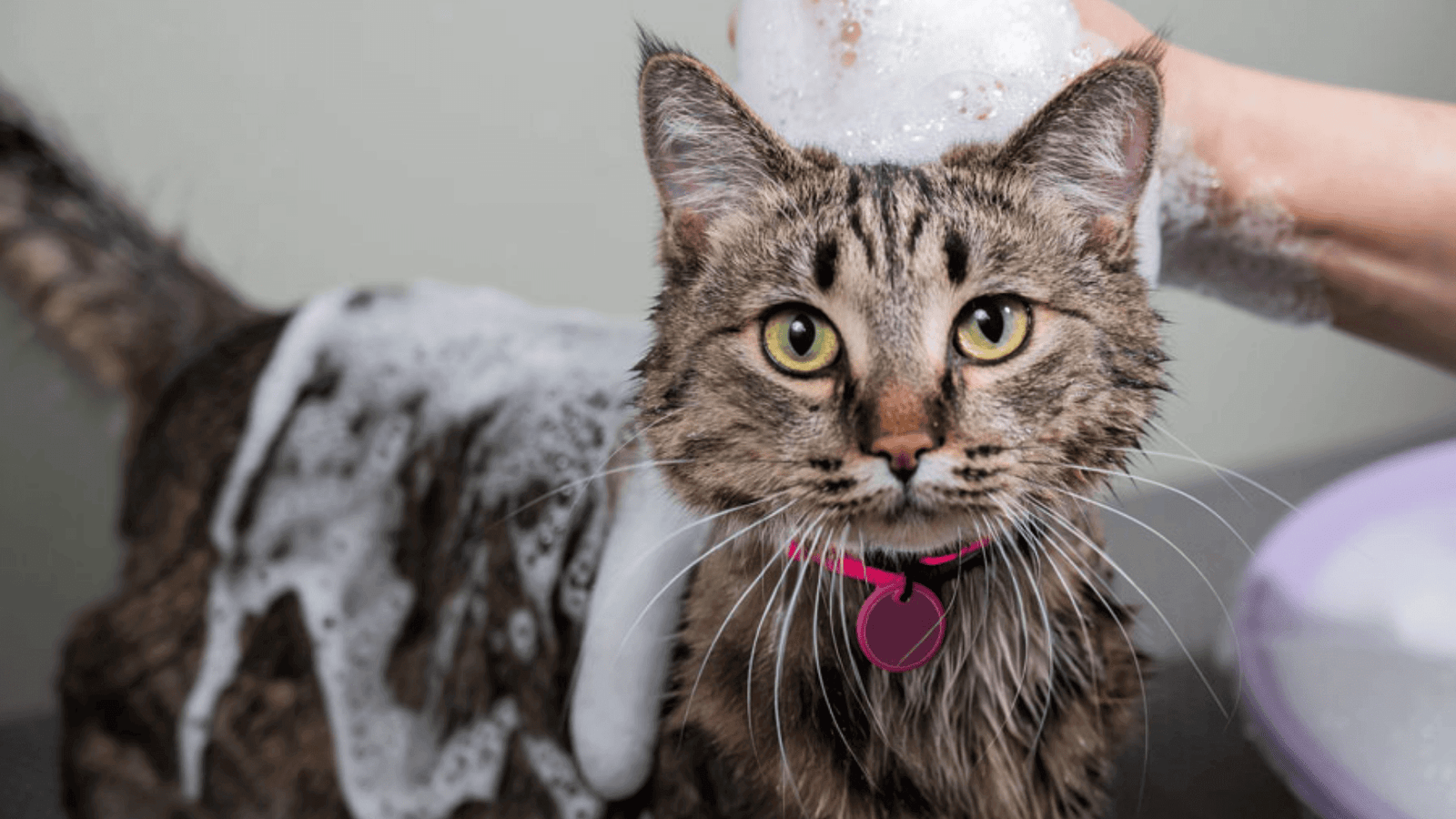
Cat grooming is a set of basic care practices that support a cat’s coat, skin, nails, ears, teeth, and overall comfort not just how they look. Even cats who groom themselves still need human help to prevent pain, health issues, and behavior problems that often lead to surrender.
If you’re new to cats, one of the first confusing questions you’ll hear is questions like, why do cats even need grooming? and what is there extra benefits of cat grooming? After all, they spend hours licking themselves clean. It’s a fair question, and one we hear all the time from new adopters and overwhelmed cat parents.
After years of working with rescue cats and helping families through grooming-related challenges, I can say this clearly, cats do groom themselves, but not completely, and not always safely. So i always suggest that cat parents just book a professional cat grooming service one in while to keep their cat’s fur healthy.
We’ve seen cats surrendered because of issues that started small, a few mats that became painful, nails that grew too long and caused litter box avoidance, dental pain mistaken for “picky eating.” Grooming isn’t cosmetic. According to veterinary guidance on routine cat grooming, consistent coat, nail, and dental care plays a preventive role in feline health.
So let’s slow this down and break it apart without guilt, judgment, or overwhelm.
What Is Cat Grooming, Really?
Cat Grooming Is Preventive Care, Not Just Appearance
When people ask what is cat grooming, they usually picture brushing or bathing. In reality, cat grooming is a collection of small health-supporting tasks that help your cat stay comfortable and problem-free.
A complete grooming routine may include:
- Coat brushing and de-shedding
- Skin checks for irritation, bumps, or parasites
- Nail trimming and paw care
- Ear checks and occasional cleaning
- Dental care and mouth checks
- Hygiene monitoring (especially for senior or overweight cats)
In rescue, grooming is often how we catch problems before they become medical emergencies. I remember a gray tabby named Oliver brought in from a rental near Capitol Hill sweet cat, barely six years old, whose only visible issue was “bad breath.” A quick grooming check revealed severe dental disease that had gone unnoticed for years.
Why Cat Grooming Matters
Most grooming-related problems don’t show up overnight. They build quietly.
- Matted fur pulls on skin, causing pain and aggression
- Overgrown nails change how a cat walks and uses the litter box
- Dental pain leads to appetite loss, weight loss, and behavioral withdrawal
- Senior cats slowly lose flexibility and stop reaching certain areas
One cat parent, Marissa from Astoria, brought in her orange longhair Pumpkin because he “suddenly hated being touched.” In reality, mats had formed under his arms and along his belly spots he could no longer groom himself.
Grooming isn’t about fixing problems after they explode, it’s about preventing them quietly. Research-backed insights like Cornell University’s feline grooming recommendations reinforce why self-grooming alone isn’t always enough
The Core Parts of Cat Grooming (Beginner Breakdown)
Brushing and Coat Care
Brushing is the foundation of cat grooming.
- Short-haired cats: 1–2 times per week
- Long-haired cats: Daily or every other day
Brushing removes loose fur, reduces shedding, and helps prevent hairballs. It also gives you a chance to spot early mats before they tighten.
Most severe mats we see didn’t happen overnight they built up quietly. A black Maine Coon named Shadow from South Philly came in with mats so tight they restricted movement. His owner thought brushing “once in a while” was enough.
Bathing a Cat: When It’s Necessary (And When It’s Not)
Most healthy cats do not need frequent baths. Bathing is usually appropriate when:
- A cat gets into something sticky or toxic
- There’s flea contamination
- A medical condition requires it
Overbathing strips natural oils and can cause dry skin and anxiety. When possible, spot cleaning, grooming wipes, or damp cloths are safer alternatives. If you’re grooming a cat at home, think of baths as rare tools not routine maintenance.
Nail Trimming and Paw Care
Indoor cats still need nail trims. Signs nails are overdue:
- Clicking sounds on hard floors
- Getting stuck in blankets
- Scratching injuries during play
Most cats need nail trimming every 3–4 weeks. Scratching posts help, but they don’t replace trimming entirely. A shy tuxedo named Milo from Queens stopped using his litter box simply because long nails made digging painful. Nail care fixed the behavior within days.
Ear Cleaning: Watch, Don’t Overdo
Healthy cat ears are:
- Pale pink
- Odor-free
- Mostly clean
Red flags include:
- Dark debris
- Strong odor
- Head shaking or pawing
Most cats do not need regular ear cleaning. When in doubt, watch first. Never insert cotton swabs into the ear canal. If you suspect infection or mites, that’s a vet visit, not a grooming fix.
Dental Care: The Most Overlooked Part of Grooming
Dental issues are one of the most common hidden problems we see in surrendered cats. By age three, many cats already have early gum disease. Left untreated, dental pain affects eating, behavior, and overall health.
Beginner-friendly options include:
- Cat-safe toothpaste and finger brushes
- Dental treats and water additives
- Regular mouth checks during grooming
A senior calico named Luna from Beacon Hill stopped eating dry food. Grooming revealed inflamed gums — not pickiness.
How Often Should You Groom a Cat?
Think rhythm, not rules.
- Short-haired indoor cats: Weekly brushing
- Long-haired cats: Frequent brushing, daily if needed
- Kittens: Gentle handling, short sessions
- Senior cats: More frequent checks, less tolerance
Consistency matters more than perfection. Five calm minutes beats one stressful hour.
Grooming at Home vs Professional Groomers
Knowing When DIY Stops Being Enough, home grooming works well for:
- Light brushing
- Nail trims
- Basic hygiene checks
Professional cat groomers like are best when:
- Mats are tight or widespread
- Cats resist handling aggressively
- Medical or behavioral stress is involved
Professionals have tools and training to handle sensitive situations safely without forcing or injuring your cat.
How Grooming Builds Trust (Not Fear)
Grooming should never feel like a battle.
What helps:
- Short sessions
- Letting the cat lead
- Watching tail flicks, ear position, and breathing
- Ending before stress peaks
The cats who resist grooming the most are usually the ones who were pushed too hard, too fast. Trust builds when grooming feels predictable and respectful.
Common Beginner Grooming Mistakes We See All the Time
- Waiting until mats form
- Using human shampoos
- Overbathing
- Ignoring dental care
- Assuming “they’ll let me know if something’s wrong”
Cats are subtle. Grooming helps you listen.
When Grooming Issues Lead to Surrender
This is the hardest part of the conversation especially when it comes to new cat parents with specific cat breeds like Maine Coon which usually needs extra coat care. In cases like this i have seen grooming neglect often leading to Pain → Stress → Behavior changes → Frustrated owners → Surrender by confused new cat parents.
We’ve seen it too many times. But we’ve also seen grooming routines save relationships between cats and their families, early care changes everything.
FAQs
Do cats groom themselves enough?
No, They groom for cleanliness, not health maintenance.
Is grooming stressful for cats?
Only when rushed or forced. Calm routines reduce stress.
Can I groom my cat at home?
Yes, most basic grooming can be done safely at home.
How do I groom a cat that hates it?
Short sessions, patience, and professional help when needed.
Do indoor cats need grooming?
Absolutely. Indoor cats often need more help.
When should I use a professional groomer?
When mats, aggression, or stress make home grooming unsafe.
Final Thoughts: Grooming Is Care, Not Control
You don’t need to be perfect. You just need to be present. Grooming isn’t about making your cat look good it’s about helping them feel safe, comfortable, and understood. Small, consistent steps protect their health and your bond, and that bond is worth protecting.