
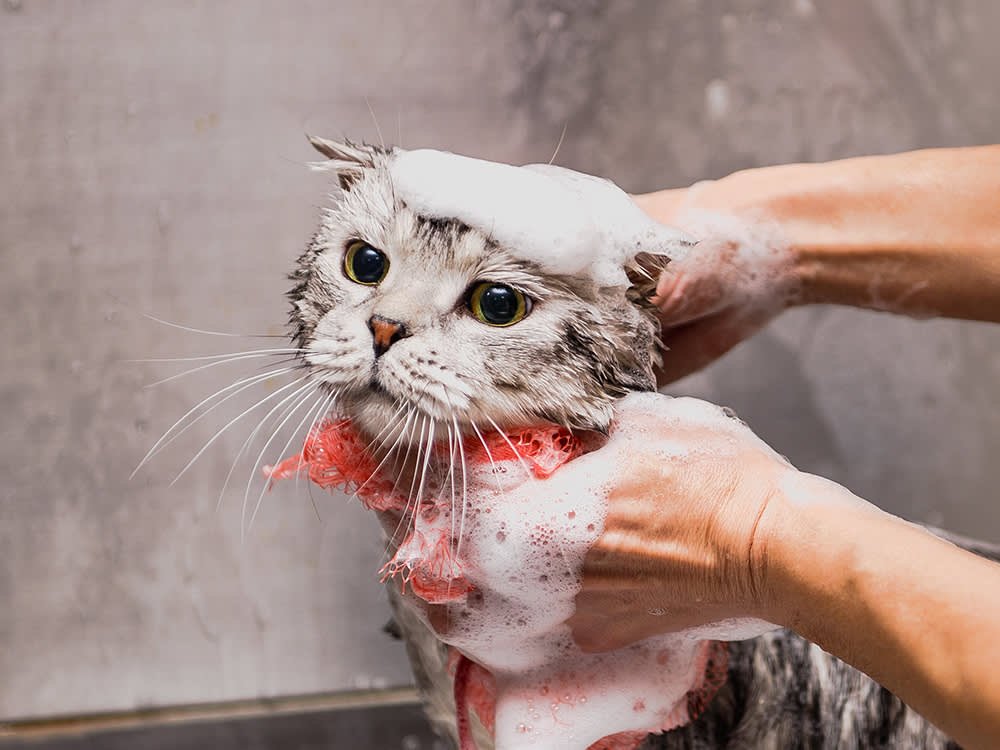
Regular grooming is important for cats because it supports physical health, hygiene, emotional comfort, and early detection of hidden problems that cats often mask. Even though cats self-groom, they still rely on human support to prevent mats, pain, stress, and long-term health issues.
Most cats don’t end up with grooming problems because their owners don’t care. They end up there because grooming is misunderstood, underestimated, or quietly pushed aside when life gets busy.
Over the years, working with cat parents at different stages, first-time adopters, experienced owners, fosters, and people coming to us after things already felt “off” I’ve noticed the same pattern again and again. Grooming is often seen as optional, cosmetic, or something cats “handle themselves.” In reality, regular grooming is one of the most important forms of preventive care a cat receives, and when it slips, problems rarely announce themselves loudly.
That’s why understanding why regular grooming is important for cats isn’t about perfection, it’s about preventing avoidable pain, stress, and confusion for both cats and their humans.
Grooming Isn’t Cosmetic It’s Preventive Health Care
What regular grooming actually prevents. One of the biggest misconceptions I hear is, “My cat looks fine.” And many of them do until they don’t.
In rescue and grooming settings, we rarely see cats come in with “bad grooming.” What we see instead are cats arriving with pain, stress, skin infections, dental issues, and behavioral changes that grooming would have caught early. Grooming is one of the few times when you’re physically and visually checking your cat from nose to tail on a regular basis.
Brushing, nail care, ear checks, and coat maintenance, or what cat grooming actually includes act as routine health monitoring. Subtle weight loss, new lumps, sore spots under fur, or sensitivity to touch are often noticed first during grooming long before a cat shows obvious symptoms.
This is why vets and rescues often notice grooming issues early. Fur hides problems well. Hands don’t. According to veterinary guidance on cat grooming, regular coat and hygiene checks play a key role in early health detection.
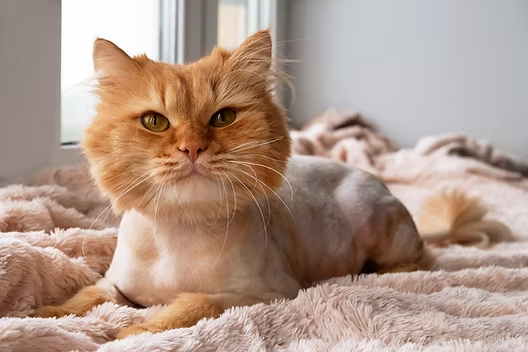
Health Problems That Start With Missed Grooming
What we notice before owners do is that Many grooming-related health issues start small and escalate quietly.
I remember a gray long-haired cat named Milo brought in by his owner, Jenna, from a quiet neighborhood in Lincoln, Nebraska. She booked what she described as “a simple de-shedding.” Underneath his coat were tight mats pulling at his skin. Milo had started swatting when brushed at home which Jenna assumed was a personality change. In reality, every movement hurt.
That pattern shows up constantly:
- Matted fur pulls on skin → inflammation → aggression or withdrawal
- Nail overgrowth curls into paw pads → litter box avoidance → “behavior problems”
- Dental pain reduces appetite → weight loss → lethargy
- Ear infections go unnoticed → balance issues → fear or hiding
Cats don’t vocalize discomfort the way dogs do. They adapt. And that adaptability is exactly why grooming is necessary.
Hygiene Matters More Than Most People Realize
Clean Cats Can Still Be Uncomfortable Cats
A cat can look clean and still be uncomfortable, hygiene issues aren’t always about dirt they’re about buildup. In long-haired cats, fecal matter can cling to fur unnoticed. In seniors, urine scalding can develop slowly as mobility declines. Indoor cats often accumulate dander and dead skin that isn’t fully removed through self-grooming.
One older calico named Pearl came in from South Omaha with her owner, Rick, who said, “She smells fine.” What he hadn’t noticed was urine residue on her hindquarters caused by arthritis. Grooming revealed skin irritation that had been bothering her for weeks.
One phrase I hear constantly is:
“I didn’t notice anything wrong until…”
That moment usually comes after discomfort has already set in.
Comfort Is the Most Overlooked Benefit of Grooming
Cats are masters of coping, they hide pain through stillness, overgrooming, avoidance, or subtle posture changes. Owners often misinterpret these signs as moodiness or aging, when they’re actually responses to physical discomfort.
I once worked with a black domestic shorthair named Theo whose owner, Marissa, thought he’d “just become less cuddly.” During grooming, he flinched when his lower back was touched his coat was thick with loose undercoat causing skin sensitivity. After a proper grooming routine was reintroduced, Theo slowly returned to seeking affection.
Grooming restores physical ease. A comfortable cat moves differently, rests better, and interacts more confidently.
Shedding, Hairballs & Digestive Stress
Shedding isn’t just a housekeeping issue. When cats ingest excess fur during self-grooming, it doesn’t always pass smoothly. Chronic hairballs can irritate the gastrointestinal tract, lead to vomiting cycles, and even contribute to constipation.
Regular brushing reduces:
- Hair ingestion
- Digestive irritation
- Vomiting frequency
Occasional hairballs can be normal. Frequent hairballs are not. They’re often a sign that grooming support is missing.
Grooming as Early Detection
Some of the most serious health discoveries I’ve seen started during routine grooming. Small lumps. Sudden weight loss. Skin lesions hidden beneath thick coats. Parasites missed during quick petting. Declining mobility in senior cats.
An orange tabby named Louie came in from Bellevue, Nebraska for nail trimming. During brushing, his groomer noticed uneven muscle tone along his hips early arthritis that his owner hadn’t recognized yet. Grooming is one of the few moments when your full attention is on your cat’s body. That attention changes outcomes.
Emotional Safety & Trust
Many cats that “hate brushing” don’t hate grooming they hate being rushed, restrained, or ignored when they signal discomfort.
I’ve worked with multiple cats whose resistance stemmed from one painful grooming experience. Short sessions, cat-led pacing, and respecting boundaries rebuild trust over time.
Effective grooming looks like:
- Brief, positive sessions
- Letting the cat set the pace
- Reading stress signals early
- Stopping before frustration escalates
Trust grows when grooming feels safe.
When Grooming Issues Snowball Into Rehoming or Surrender
This is the part most people don’t talk about, stress from untreated grooming issues often leads to behavior changes. Behavior changes lead to frustration. Frustration leads to rehoming conversations.
I’ve seen cats surrendered for “aggression” that stemmed from matted coats. For litter box issues caused by painful nails. For withdrawal tied to dental pain. Grooming support early, consistent, compassionate interrupts that cycle.
FAQs
Is grooming really necessary for cats?
Yes. Even excellent self-groomers need help maintaining coat health, nails, and hygiene.
Do indoor cats need regular grooming?
Absolutely. Indoor cats often accumulate more loose fur and dander.
How often should cats be groomed?
It depends on coat type, age, and health, but consistency matters more than frequency.
Can grooming reduce behavioral issues?
Yes, discomfort often presents as behavior problems.
When should I use a professional groomer?
When mats form, stress escalates, or grooming becomes unsafe at home, it’s often time to seek professional cat grooming services.
Final Thoughts
Regular grooming isn’t about aesthetics. It’s about supporting your cat’s health, hygiene, and comfort before problems become overwhelming.
You don’t need to do everything perfectly. Small, consistent steps matter. Grooming is a relationship not a checklist, and when approached with patience, it strengthens trust instead of breaking it.