
How often cats should be groomed depends more on coat type, age, and physical ability than breed or whether they live indoors. Most grooming problems happen not because owners don’t care but because cats quietly struggle long before the signs become obvious.
“How often should cats be groomed?” is one of the most searched questions we hear from new cat owners and honestly, it’s understandable. Advice online is conflicting, breed charts are confusing, and everyone seems to have a different opinion based on one cat they’ve owned.
After years of interacting with new cat parents, foster families, rescue intakes, and routine grooming appointments, one pattern keeps repeating, most grooming issues don’t come from neglect they come from misunderstanding. People aren’t avoiding grooming; they’re trying to do the right thing with incomplete information.
The truth is, grooming frequency isn’t about following a strict calendar. It’s about understanding your cat’s coat type, physical ability, age, and tolerance. Once you understand that, the confusion starts to clear, and grooming stops feeling overwhelming. And yes, how often should cats be groomed has an answer but not a one-size-fits-all one.
Why Grooming Frequency Depends on Ability
To answer this, i will first answer the question Why “How Often Should Cats Be Groomed?” Is the Wrong Starting Point. One of the biggest misconceptions we encounter is the cat self-grooming myth. Yes, cats groom themselve but that doesn’t mean they groom effectively or completely.
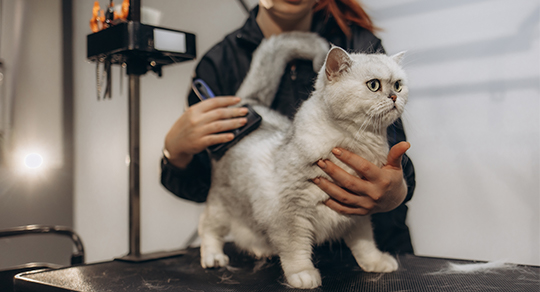
Licking removes surface dirt, but it doesn’t, below are a full guide explaining what cat grooming really includes:
- Detangle fur
- Prevent matting
- Trim nails
- Check ears
- Catch skin infections early
I hear this almost weekly from cat parents: “My cat grooms constantly, so I didn’t think brushing was necessary.” In reality, excessive self-grooming often signals discomfort, anxiety, or underlying skin issues.
Instead of asking how often grooming should happen, the better question is, can my cat physically and comfortably maintain their coat on their own? This shift from intention-based grooming to capability-based grooming changes everything about how often cats should be groomed.
Short-Haired Cats = Lower Maintenance, Not No Maintenance
So how often should short-haired cats be groomed? Short-haired cats are often labeled “low maintenance,” which leads many owners to assume grooming is optional. In reality, how often should short-haired cats be groomed depends on shedding levels, lifestyle, and health but a weekly brushing baseline is ideal.
Short hair still sheds. That loose fur still gets swallowed, leading to hairballs and digestive stress. Brushing reduces that load dramatically.
A memorable example was Milo, a gray domestic shorthair brought in by Rachel from the Midtown neighborhood in Omaha. She booked a visit “just for shedding,” but once we brushed him thoroughly, we found irritated skin patches under the coat something she couldn’t see at home.
For short-haired cats, grooming should include:
- Weekly brushing
- Nail trimming every 2–4 weeks
- Monthly ear checks
Short-haired cats may need more frequent grooming if they are:
- Overweight
- Arthritic
- Senior cats
- Indoor cats with limited movement
This is where indoor cats grooming becomes especially important less movement means less natural wear on nails and coat.
How Often Should Long-Haired Cats Be Groomed (Really)?
If there’s one grooming truth that surprises people most, it’s this, long-haired cats need daily brushing, not weekly, not “when they look messy.”
When owners ask how often should long haired cats be groomed, the honest answer is often enough to prevent matting before it starts. Mats don’t form overnight they build silently under the top layer of fur.
We once saw Oliver, a cream-colored Maine Coon brought in by Daniel from Bellevue. His coat looked fluffy and clean until we lifted the chest fur and discovered dense, painful matted fur underneath. Daniel was shocked. He brushed Oliver “regularly,” but skipped a few busy days. That was enough.
Long-haired cats require:
- Daily brushing
- Targeted undercoat attention
- Regular hygiene trims if needed
Skipping days doesn’t pause the problem it accelerates it. Mats pull skin, trap moisture, and turn grooming into a painful experience cats learn to resist.
Age Changes Everything (Kittens vs Adults vs Seniors)
But Why Grooming Frequency Must Change Over Time?
Grooming needs shift dramatically as cats age. Kittens don’t need intensive grooming but they need exposure. Early, gentle brushing builds tolerance and prevents grooming resistance later.
Adult cats are in the maintenance phase. Most issues start here not because grooming stops, but because routines become inconsistent. Senior cats grooming is where we see the biggest gaps. Reduced flexibility means:
- Greasier coats
- Missed hygiene areas
- Increased matting
- Overgrown nails
In rescue environments, older cats are often surrendered for “behavior issues” that are actually grooming discomfort. Adjusting the cat grooming routine as cats age prevents that spiral.
Why Indoor Cats Still Need Grooming
One of the most persistent myths is that indoor cats don’t need grooming. In reality, indoor cats grooming is just as important sometimes more so.
Indoor cats deal with:
- Dander buildup
- Litter residue on paws and hindquarters
- Overgrown nails
- Reduced muscle flexibility
We often hear, “But they always look clean.” Clean-looking doesn’t mean comfortable. In apartment settings or multi-cat homes, grooming also reduces allergens and improves overall cat hygiene for everyone sharing the space.
Signs You’re Not Grooming Often Enough (Even If You Think You Are)
Cats rarely vocalize grooming discomfort they adjust behavior instead.
Common signs include:
- Avoiding touch
- Hiding more than usual
- Irritability
- Patchy overgrooming
- Grooming resistance
I hear this phrased often as, “My cat suddenly hates brushing.” In reality, brushing may have started hurting long before the cat reacted.
Understanding overgrooming vs undergrooming helps catch these issues early before stress during grooming escalates.
How Often Is Too Often? (Yes, Overgrooming Is a Thing)
Overgrooming happens when sessions are:
- Too long
- Too frequent
- Too forceful
This can strip natural oils, irritate skin, and create lasting grooming trauma. Cats remember discomfort.
The solution isn’t more pressure it’s short, cat-led sessions that end before stress appears. Grooming should feel predictable, not overwhelming.
When to Use a Professional Groomer
Opting-in for professional grooming isn’t failure It’s support, do cats need professional grooming? Sometimes, yes and that’s okay.
Professional help is appropriate for:
- Severe matting
- Cats that can’t be safely groomed at home
- Nail issues
- Senior or medically fragile cats
Skilled professional cat groomers doesn’t replace home care they prevent grooming from becoming painful or traumatic. Booking a professional groomer will help you understand the health benefits of regular cat grooming.
FAQs
How often should cats be groomed at home?
Short-haired cats typically need weekly brushing long-haired cats benefit from daily grooming.
Do indoor cats need grooming?
Yes. Indoor cats still shed, accumulate dander, and develop nail and hygiene issues.
Is daily grooming too much?
For long-haired cats, daily brushing is beneficial. For short-haired cats, it may be excessive unless medically necessary.
How often should I trim my cat’s nails?
Most cats need nail trimming every 2–4 weeks, depending on activity level.
Can grooming reduce shedding?
Yes. Regular grooming dramatically reduces loose fur and hair ingestion.
When should I book a groomer?
If mats form, grooming causes stress, or health limits home care.
Final Thoughts
Grooming isn’t about hitting perfect schedules it’s about responding to your cat’s needs as they change. Progress matters more than consistency, and support matters more than control. When in doubt, listen to the cat not the calendar.